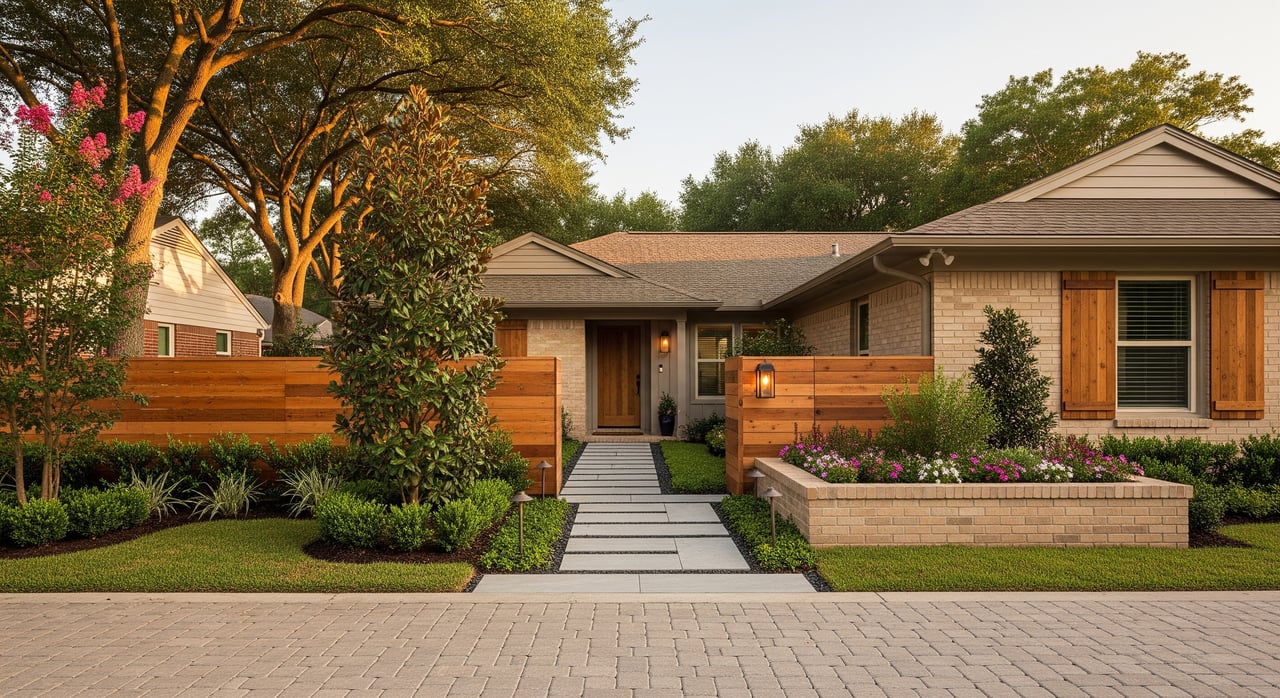
If a buyer decides how they feel about your home in the first 10 seconds, what story does your front yard tell? In Houston’s deed-restricted areas, great curb appeal is about more than pretty plants. It is about making smart, high-impact upgrades that also meet your community’s rules and the city’s requirements. In this guide, you will see which projects move the needle with buyers and how to navigate approvals with less stress. Let’s dive in.
Why curb appeal matters here
Buyers notice tidy lawns, clean lines, and consistent design. In a national study, 92% of REALTORS recommended improving curb appeal before listing, and standard lawn care ranked high for cost recovery. The NAR and National Association of Landscape Professionals report backs what we see locally.
Many Houston neighborhoods rely on recorded deed restrictions to protect exterior standards and neighborhood character. If you live in a deed-restricted area, buyers expect a well-kept front yard and visible compliance with the subdivision’s rules. For a local example of how communities outline standards, see the Houston Heights information on deed restrictions.
Know the rules before you start
Before you start, check these three things:
- Find your recorded deed restrictions through the Harris County Clerk’s Real Property records.
- Review your HOA or Architectural Control Committee (ACC) guidelines and application forms.
- Confirm any City of Houston permits or code issues through the Houston Permitting Center’s Community Code Enforcement.
Who enforces what
Your HOA or civic association typically enforces private deed restrictions. The City of Houston enforces municipal codes like nuisances and safety, not private covenants. Neighborhood groups often explain this separation of duties, as the Houston Heights land use committee notes.
ACC reviews and your rights
Many deed-restricted areas require written ACC approval for any exterior change visible from the street. Texas law sets certain procedures and timelines for these committees and provides appeal rights for owners. You can read the statutory framework in the Texas Property Code.
When city permits apply
If your project touches structure, utilities, drainage, sidewalks, or the right of way, expect to work with the City. The Permitting Center provides guidance on inspections, possible violations, and how to get things cleared. Start with the Community Code Enforcement page and confirm any permits you might need.
Solar protections in Texas
If you are considering rooftop solar, Texas law gives homeowners strong protections while allowing HOAs to set reasonable placement and appearance rules. Begin with your HOA’s ACC process and review state protections outlined by Go Solar Texas.
High-impact upgrades that usually pass
Yard cleanup and basic maintenance
A crisp lawn, edged beds, trimmed shrubs, and fresh mulch make a big difference. The City can cite overgrown lots, so staying trimmed is smart for both buyer appeal and compliance. Focus on a clean driveway, clear walkways, and healthy trees.
Smart Houston plant choices
Choose native and adapted plants that handle heat and humidity with less water. Good options include yaupon holly, Texas lantana, Gulf Coast muhly, coneflower, Turk’s cap, Texas sage, and black-eyed Susan. For practical planting and WaterWise tips, use the Texas A&M AgriLife Texas Urban Landscape Guide.
Front door, trim, and exterior paint
A freshly painted front door or updated trim color adds instant polish. Many deed-restricted neighborhoods require ACC approval for exterior paint or color changes. Submit color swatches, photos, and a short scope of work to speed review. For a local example of design guidance, see the Houston Heights Design Guidelines.
Lighting that flatters
Low-voltage path and accent lighting elevates evening curb appeal and helps with wayfinding. Choose shielded fixtures and aim lights to avoid glare on neighboring homes. Use licensed electricians if you are adding new wiring.
Hardware and garage door refresh
New house numbers, a modern mailbox that fits community norms, updated sconces, or a quieter garage door can refresh the front of your home for a modest cost. If items are visible from the street, check your ACC rules before ordering.
Projects that need extra approvals
Fences and pool enclosures
Front and side fences are often the most regulated elements. Many neighborhoods specify fence height, materials, and placement, and pool barriers must meet safety codes. Expect ACC approval and confirm city rules before you build.
Walkways, driveways, and drainage
Replacing a driveway, adding pavers, or changing grading can affect stormwater flow and sidewalks. Always verify HOA standards for visible materials and check with the City for any permits tied to drainage or right-of-way work. Start your research at the Houston Permitting Center.
Solar, pergolas, and visible structures
Rooftop solar is generally protected by state law, but you still need to follow ACC review and placement rules. Pergolas, carports, and porch covers usually require written HOA approval and may need city permits based on size and structure. Submit drawings and product sheets with your application.
What to avoid in deed-restricted areas
- Visible storage, boats or trailers in view, and junked vehicles can trigger city code action and HOA violations. Clear these before listing.
- Artificial turf, brightly colored gravel, or unapproved stone treatments may be restricted in front yards. Always confirm materials with your ACC before installation.
Your step-by-step approval plan
Pull your recorded restrictions. Use the Harris County Clerk’s Real Property records. The recorded document controls.
Review HOA/ACC guidelines. Download forms and note what submittals are required, like photos, plans, and color or product cut sheets.
Confirm city requirements. Check the Houston Permitting Center’s guidance for any permits tied to structure, right-of-way, or electrical work.
Submit a complete ACC request. Include before photos, sketches with dimensions, materials and color info, and a simple timeline. Clear submittals get faster approvals.
Plan for 2 to 6 weeks. Many communities target a 30-day review window. If denied, Texas law outlines notice and hearing rights through the Property Code.
Keep approvals in writing. Save them for resale. Buyers and title companies often ask whether improvements complied with restrictions.
Use licensed pros. For structural, electrical, or drainage work, hire licensed contractors and close out any permits to avoid future issues.
How we help you stand out
When you are ready to sell, small exterior upgrades can lift buyer interest and protect your margin. We pair targeted curb appeal guidance with studio-level listing presentation to capture that first impression online and at the curb. If you want a tailored plan for your home and neighborhood rules, we are here to help.
Ready to create a standout first impression? Connect with Nan & Co Properties for a curb appeal plan and a high-impact launch.
FAQs
Who enforces deed restrictions in Houston neighborhoods?
- Your HOA, POA, civic association, or sometimes individual owners enforce private deed restrictions, while the City enforces municipal codes such as nuisances and safety.
Do I need ACC approval to change landscaping or paint?
- In many deed-restricted areas, yes. Exterior changes visible from the street often require written ACC approval, so check your recorded restrictions and community guidelines first.
When do I need a city permit for curb appeal work?
- If work affects structure, electrical, drainage, sidewalks, or the right of way, you may need permits or inspections. Always confirm with the Houston Permitting Center.
Can my HOA stop me from installing solar panels?
- Texas law limits blanket bans on rooftop solar. Your HOA can set reasonable placement or appearance rules and typically requires an ACC review, so submit a complete application.