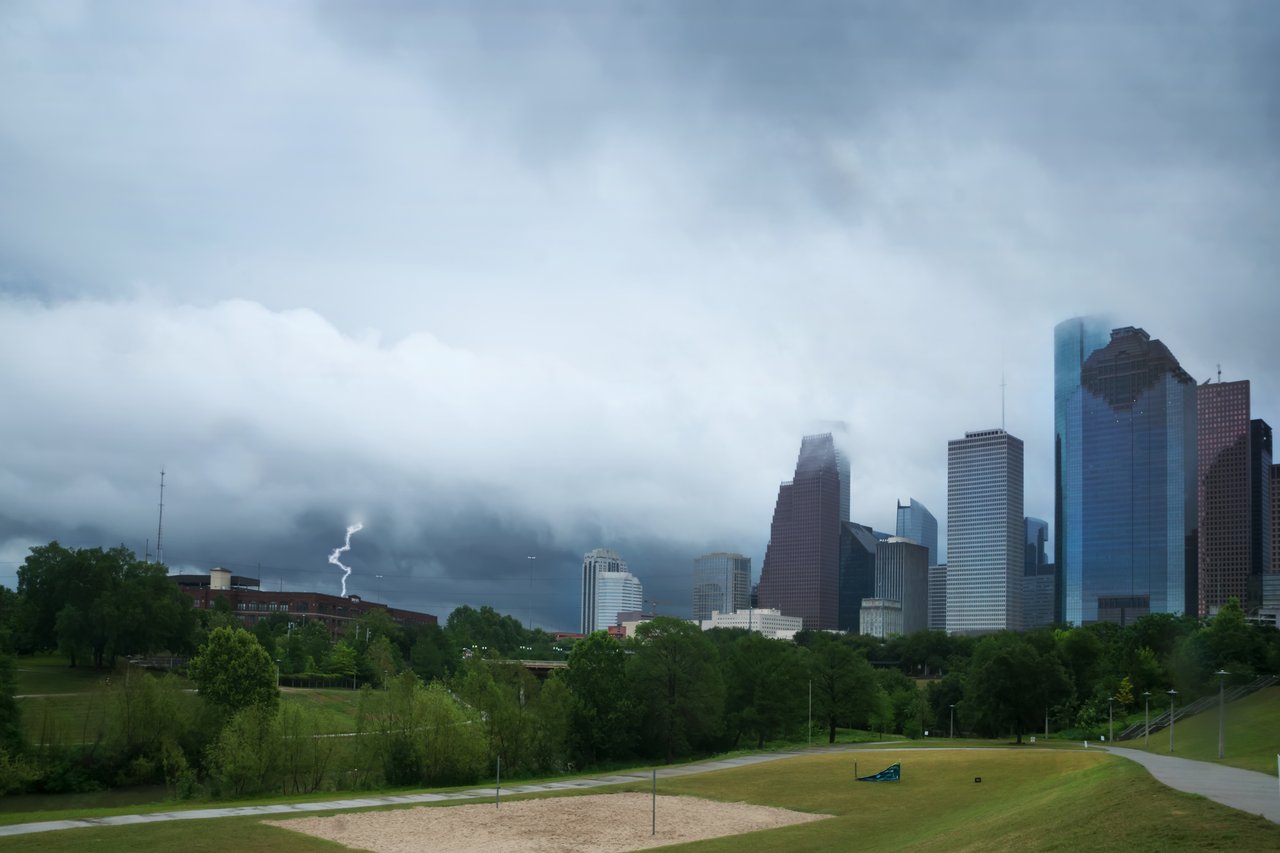
Houston summers aren't just uncomfortable, they can be genuinely hard on a home. Between triple-digit temperatures, intense UV exposure, hurricane threats and the humidity that follows, Texas weather can quietly wear down everything from your roof to your foundation if you're not paying attention. Here's how to protect your property and keep it running smoothly all summer long, courtesy of the team at Nan and Company Properties.
Give Your HVAC System Some Attention
Your air conditioning system works harder in a Houston summer than almost any other system in your home, which makes it one of the most important things to maintain.
- Schedule a professional HVAC tune-up before peak summer heat hits
- Replace air filters monthly during the hottest months to keep airflow efficient
- Clear debris, leaves, and vegetation away from outdoor condenser units
- Consider a programmable or smart thermostat to reduce strain during peak afternoon hours
A well-maintained HVAC system doesn't just keep your home comfortable, it helps prevent costly emergency repairs during the times you need cooling the most.
Protect Your Roof and Attic From Heat Damage
Extreme heat can accelerate wear on roofing materials, especially on homes with older shingles or inadequate attic ventilation.
- Have your roof inspected annually for cracked, curling, or missing shingles
- Ensure attic ventilation is functioning properly to prevent heat buildup
- Look into radiant barrier insulation, which can significantly reduce attic temperatures
- Address minor roof issues quickly, since heat and sudden summer storms can turn small problems into bigger ones fast
Watch Your Foundation During Heat and Drought
Houston's clay-heavy soil expands and contracts significantly with heat and moisture changes, which can put stress on a home's foundation during hot, dry stretches.
- Water your foundation consistently during extended dry periods to prevent soil shrinkage
- Watch for new cracks in walls, ceilings, or the foundation itself
- Maintain consistent, even watering around the entire perimeter of the home rather than just problem areas
Keep Landscaping and Irrigation Working Efficiently
Heat stress doesn't just affect structures, it affects the landscaping that protects and enhances your property's value.
- Adjust irrigation schedules to early morning or evening to reduce water loss from evaporation
- Inspect sprinkler systems for leaks or inefficient coverage
- Mulch garden beds to help retain soil moisture and regulate temperature
- Trim trees and shrubs away from the home's exterior and HVAC equipment for better airflow and reduced fire risk
Protect Pools and Outdoor Living Spaces
For Houston's many homes with pools and outdoor living areas, summer heat brings its own set of maintenance needs.
- Monitor pool chemical levels more frequently, since heat accelerates chemical breakdown
- Inspect pool equipment and decking for heat-related wear
- Provide shade structures or umbrellas to protect outdoor furniture from UV damage
- Check outdoor kitchen appliances and electronics for proper ventilation during high heat

Prepare for Hurricanes, Tropical Storms, and Power Outages
Texas heat often arrives alongside severe summer storms and an active hurricane season, which runs from June through November along the Gulf Coast. For Houston homeowners, heat prep and storm prep really go hand in hand, a home that's well-maintained through the summer is also a home that's better positioned to handle a storm when one arrives.
- Know your evacuation zone and route. Houston and Galveston-area homeowners should confirm their evacuation zone ahead of hurricane season and have a clear plan in place before a storm is ever on the radar.
- Test backup generators before they're needed. Run a full test cycle, not just a quick start, to confirm they can handle an extended outage.
- Trim trees and secure loose outdoor items ahead of storm season, heavy limbs and unsecured patio furniture are common causes of storm damage to roofs, windows, and siding.
- Inspect and seal windows and doors to protect against wind-driven rain, and consider storm shutters or impact-resistant windows for added protection in coastal areas.
- Check your roof and gutters before hurricane season begins, since a roof already weakened by summer heat is far more vulnerable to wind and water damage.
- Review your home insurance coverage, including flood insurance, which is typically a separate policy from standard homeowners insurance. Many Houston-area homes require flood coverage even outside of designated flood zones.
- Keep an emergency kit stocked with water, non-perishable food, flashlights, batteries, a first aid kit, and copies of important documents.
- Charge devices and back up important files before a storm is forecasted, and consider a portable power bank in case of extended outages.
- Document your home's condition with photos or video before hurricane season, which can make insurance claims significantly easier if storm damage does occur.
Being proactive well before a storm is named, not just when one is approaching, gives homeowners far more time to prepare thoughtfully rather than scrambling at the last minute.
Don't Overlook Energy Efficiency
Beyond protecting your home physically, improving energy efficiency helps offset the financial impact of Texas summers.
- Seal windows and doors to prevent cool air from escaping
- Add or upgrade attic insulation
- Consider energy-efficient windows or window film to reduce heat gain
- Use ceiling fans to improve air circulation and reduce strain on your HVAC system
Why Proactive Maintenance Protects Your Home's Value
Whether you're planning to stay in your home for years or considering a future sale, proactive maintenance during Houston's hottest months protects both comfort and long-term property value. At Nan and Company Properties, we regularly guide homeowners on the maintenance and upkeep that keeps Houston homes, especially luxury properties with pools, expansive landscaping, and outdoor living spaces, performing and appraising at their best.
Protect and Maximize Your Home's Value with Nan and Company Properties
Whether you're maintaining your current home or preparing to sell, Nan and Company Properties is here to help you protect your property's value year-round. Contact us today at 877-NANLUXURY or visit nanproperties.com to learn more.
Frequently Asked Questions
Does extreme heat damage a home's foundation? Yes. Houston's clay soil can shrink significantly during hot, dry periods, which may lead to foundation stress or cracking if the soil isn't watered consistently.
How often should I service my HVAC system in the summer? It's best to schedule a professional HVAC tune-up before peak summer heat and replace air filters monthly during the hottest months.
Can extreme heat damage a roof? Yes. Intense heat can accelerate wear on shingles and roofing materials, especially in homes with poor attic ventilation, making annual inspections important.
Should I water my lawn differently during a Texas summer? Yes. Watering early in the morning or evening helps reduce evaporation and ensures your landscaping and foundation get consistent moisture.
How does heat affect a pool? Higher temperatures cause pool chemicals to break down faster, so pools typically need more frequent chemical monitoring during summer months.
What can I do to prepare my home for summer storms? Testing backup generators, trimming trees, securing loose outdoor items, and reviewing your insurance coverage are all important steps before storm season.
When does hurricane season start in Texas? Hurricane season along the Gulf Coast runs from June 1 through November 30, with peak activity typically occurring in August and September.
Do I need flood insurance for my Houston home? Flood insurance is usually a separate policy from standard homeowners insurance, and many homes in the Houston area benefit from flood coverage even outside of officially designated flood zones.
How can I make my home more resistant to hurricane damage? Trimming trees, securing outdoor items, inspecting your roof, sealing windows and doors, and considering storm shutters or impact-resistant windows can all help reduce storm damage.
Should I document my home before hurricane season? Yes. Taking photos or video of your home's condition before hurricane season can make the insurance claims process much easier if damage occurs.
Does improving energy efficiency really make a difference in Texas heat? Yes. Sealing windows and doors, upgrading insulation, and using ceiling fans can meaningfully reduce strain on your HVAC system and lower energy costs.
Why does home maintenance during summer matter for property value? Consistent maintenance protects a home's structural integrity and curb appeal, both of which matter significantly if you plan to sell in the future.