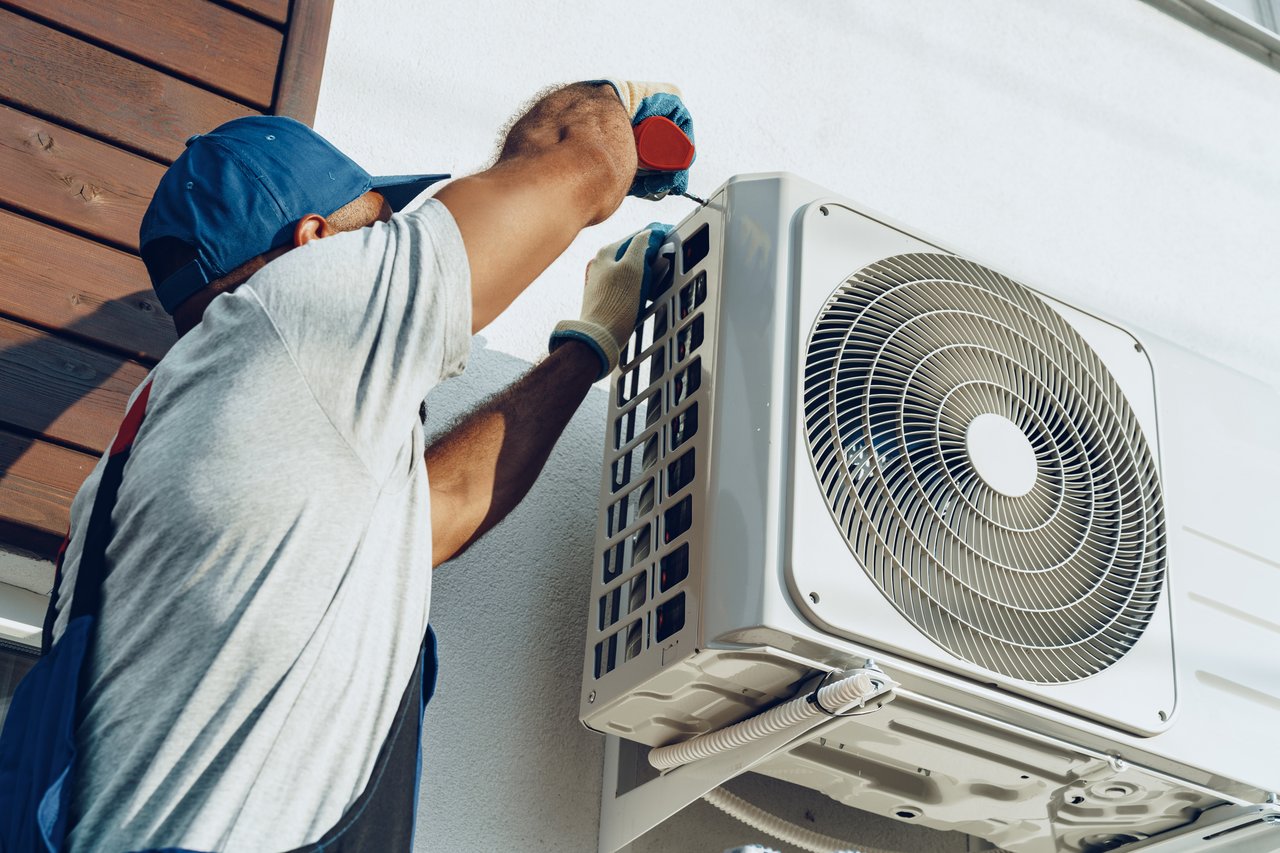
Houston City Council just passed the Right to Air Conditioning ordinance, and it's a real change for rental housing citywide. Every landlord now has to provide and maintain working A/C, with a firm deadline to get compliant later this year and fines on the table for anyone who doesn't.
If you rent, own, or manage property in Houston, you've probably already heard some version of this news: air conditioning is no longer optional for rental housing in the city. It's official now, and it's a bigger deal than it might sound at first. Here's what's actually in the ordinance, why the city passed it, and what it means for you.
What the Ordinance Actually Requires
Every rental property in Houston now has to keep indoor temperatures at 80 degrees or below. If it's especially hot outside (above 100 degrees), the unit needs to stay at least 20 degrees cooler than whatever it is outdoors.
The larger change, though, is what this closes. Until now, a landlord could technically meet the city's cooling requirement just by having window screens installed. No air conditioning needed, just screens. That loophole is gone. Rental properties now have to provide and maintain working air conditioning.
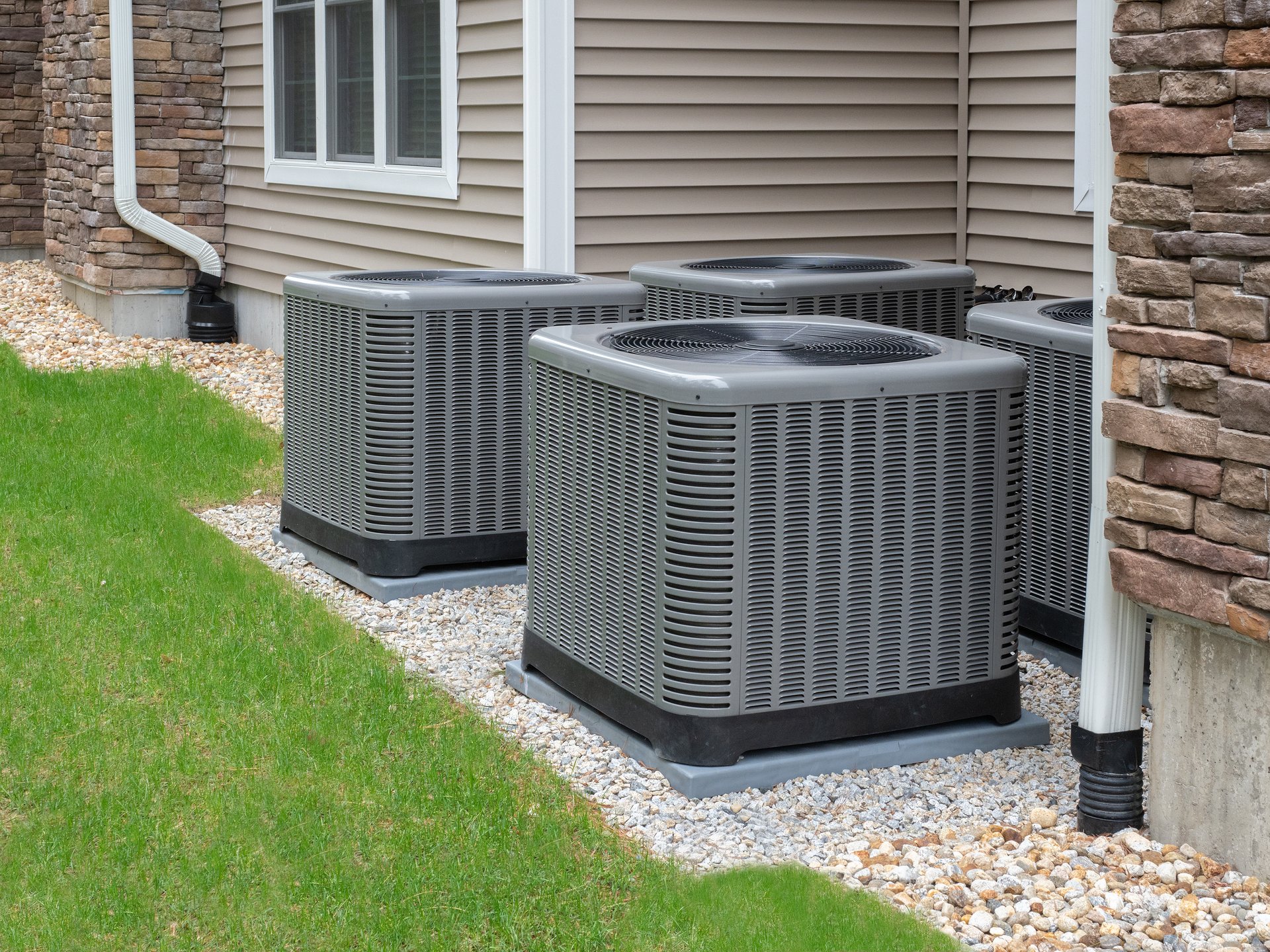
The good news for property owners: you have options. Central air, a window unit, a portable unit, or any other refrigerated air equipment that can meet the temperature standard will all get the job done. Nobody's being forced to rip out an old building's ductwork and install central HVAC. The city has actually treated this as a natural extension of a rule that's already in place. Rental properties have long been required to provide working heat, and this just brings cooling up to the same standard.
Why the City Decided This Was Necessary
Houston summers aren't exactly gentle, and that's really the reasoning behind this change. A shocking number of renters across the metro area have been living without any air conditioning at all, and health officials have been tracking a significant rise in heat-related illness and ER visits during the hottest stretches of the year. Those health scares are what pushed city leaders to act.
Council Member Alejandra Salinas, who led the push for this ordinance, framed it as a basic health and safety issue, one that especially matters for seniors, kids, people with disabilities, and working families who don't always have a say in whether their unit has A/C. These efforts ended up with a wide coalition behind it too, from the Houston Apartment Association to tenant advocacy groups like Texas Housers, and a long list of neighborhood and community organizations across the city.
It's also worth noting Houston isn't the first to put a requirement of this nature in place. Dallas, Denton, and Austin already require working air conditioning in rental housing, without the window-screen exemption Houston just eliminated. Supporters of the ordinance used that track record to strengthen their argument throughout the debate.
Not Everyone Agreed: Here's the Other Side
Like most housing policies, this one was met with some pushback. A couple of council members voted no, worried that requiring upgrades could end up raising rents or, worse, tipping already-stretched renters into eviction, a real concern in a city where eviction filings have been rising. The mayor, while ultimately supporting the ordinance, acknowledged those affordability worries too and encouraged renters to keep an eye on their electric bills as the change rolls out.
Supporters pushed back on the cost concerns with a simple point. Cities that already have similar rules haven't seen documented rent increases tied to them. An independent review in Austin even found its own air conditioning requirement only had a neutral effect on affordability and development costs. Whether Houston sees the same outcome is something we'll only know with time, but it's a reasonable data point either way.
The Timeline and What Happens If Landlords Don't Comply
Landlords aren't expected to fix this overnight. The ordinance gives everyone 120 days from the vote to get compliant, which puts the real deadline around mid-December 2026.
As for enforcement, it's not some brand-new bureaucracy. It runs through the same process the city already uses for other housing code violations. If a tenant calls 311 to report a problem, an inspector gets sent out to take a look. Landlords get a chance to fix the issue first. If they don't, it can turn into an official citation, a trip to municipal court, and fines that can run up to $2,000 per violation.

What This Actually Means for You
If you're a renter, this is good news. Working air conditioning is now a baseline requirement for your home, not a nice-to-have. And if your unit doesn't have it, you now have a clear path to get it addressed: a call to 311.
If you own or manage rental property, the smart move is to get ahead of this rather than wait until the deadline is bearing down. You've got flexible options for how to comply, so this doesn't have to mean a major renovation, but it does mean a real deadline, the possibility of an inspection, and real fines if a unit gets left behind.
The Bigger Picture for Houston Rental Housing
Comfortable, well-maintained homes have always been part of what makes a rental worth living in, and this ordinance just puts a legal floor under something thoughtful owners were already prioritizing. It's a good reminder that habitability standards in Houston are still evolving, and staying current on them is part of managing property well here, not just a box to check. That's something our team at NAN Properties keeps a close eye on, so the owners, buyers, and renters we work with always have accurate, up-to-date information as changes like this roll out. If you've got questions about how this affects a property you own or one you're considering, we're happy to talk it through with you.
FAQ: Houston's Right to Air Conditioning Ordinance
Do landlords in Houston have to provide air conditioning now?
Yes. As of the August 19, 2026 vote, Houston rental properties must provide and maintain working air conditioning. Window screens no longer count as a substitute.
How much time do landlords have to comply?
120 days from the ordinance's passage, putting the deadline around mid-December 2026.
Does a rental have to have central air conditioning?
No. Central air, window units, or portable A/C units are all acceptable, as long as the unit can meet the required temperature standard.
What can a renter do if their unit doesn't have working A/C?
Call 311 to report it. The city will send an inspector to look into the complaint.
What happens to landlords who don't comply?
They can be cited, sent to municipal court, and fined up to $2,000 per violation.
Will this raise rent prices?
It's possible, but not guaranteed. Cities with similar rules haven't seen documented rent increases tied to the requirement, though it's something worth watching as Houston's version rolls out.
This post is intended as general information about a recent City of Houston ordinance and is not legal advice. Property owners and renters with specific compliance or lease questions should consult the official ordinance text or a qualified attorney.