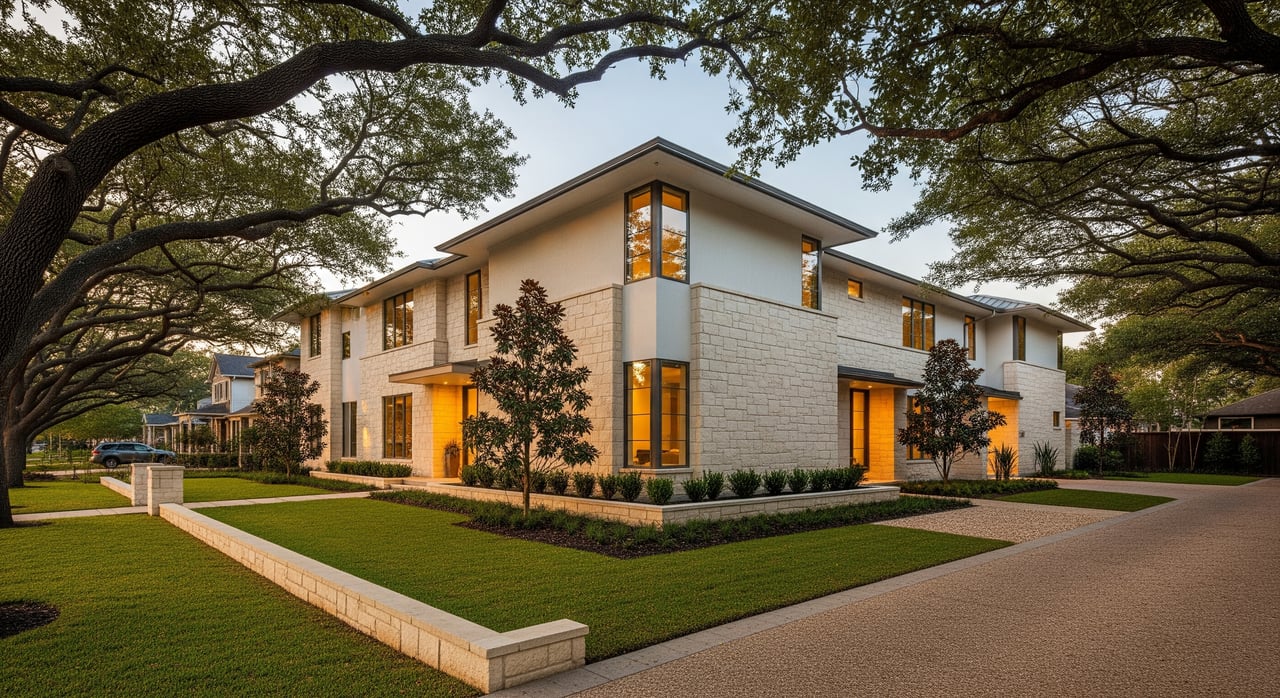
Planning a new build or major addition in Houston? Setbacks and lot sizes decide what you can place on a lot, where you can put it, and how much it will cost. The challenge is that Houston does not use a traditional zoning code, which can make the rules feel confusing at first. In this simple guide, you’ll learn who sets setbacks, how to read plats and restrictions, what typical lot sizes look like, and the exact steps to confirm a lot’s buildable area before you buy or design. Let’s dive in.
What controls setbacks in Houston
What controls setbacks in HoustonHouston guides development through plats, building codes, floodplain rules, and private deed restrictions rather than a citywide zoning code. The City’s planning framework explains this approach and how it works in practice. You can review the structure on the City of Houston Planning & Development site and the City of Houston Code of Ordinances.
Plats and the building line
The recorded subdivision plat usually shows the building line or front building setback. Once recorded, this line typically controls the minimum distance a structure must sit back from the street for permitting. You will also see easements, alley locations, and lot dimensions on the plat. Always verify the exact line on the final recorded plat for your specific lot.
Deed restrictions and HOAs
Many single-family neighborhoods have deed restrictions or HOA covenants that set additional rules. These can include minimum lot sizes, front, side, and rear setbacks, height limits, and design controls. Deed restrictions are private rules and can be more restrictive than the plat. To review them, search the county records through the Harris County Clerk plat and real property records.
Building code, floodplain, and utilities
The Houston Construction Code and local amendments govern construction details like fire separation, egress, and safety. Floodplain management, stormwater, sanitary sewer, and heritage trees can also influence what and where you can build. For process and permit guidance, start with the Houston Permitting Center.
Independent municipalities nearby
Independent municipalities nearbySome properties sit inside small independent cities with their own rules, such as West University Place and Bellaire. If your lot is inside one of these municipalities, their codes and plat notes apply. You can confirm requirements directly with the city, such as the City of West University Place.
Key lot and setback terms you should know
- Lot frontage: The length of the lot along the street. It influences façade width, driveway options, and corner-lot status.
- Lot width and depth: Width is often measured at the front setback line, while depth runs from front to rear property lines. Together they determine lot area.
- Lot area: The total square footage of the lot (for example, 2,500 sq ft for a 25 × 100 lot).
- Front building setback / building line: The minimum distance from the front property or street line where structures can start. Usually shown on the plat.
- Side and rear setbacks: Minimum clear distances from the side and rear property lines. These may differ for accessory structures.
- Utility easement (U/E): Areas reserved for utilities. Permanent structures are typically not allowed in these strips.
- Ingress/egress easement: A legal right for access across a property, such as a shared driveway.
- Alley access: A rear right-of-way that can allow garages at the back of the lot.
- Corner lot / street-side setback: Corner lots often have a larger setback on the street-facing side yard.
- Flag or panhandle lot: A narrow access strip leading to a wider buildable area. Setback rules depend on the plat layout.
- Buildable area / envelope: The footprint that remains after subtracting setbacks, easements, and other constraints. This is where the house can go.
- Replat / lot split: A formal process to change lot lines or combine lots. Requires municipal approvals and recording.
Typical lot sizes and patterns
Lot sizes vary by neighborhood and municipality. The patterns below are common starting points, but they can differ block by block. Always confirm dimensions and setbacks on the recorded plat and any deed restrictions.
Inner Loop infill
In many Inner Loop areas, you’ll find smaller lots with 25 to 50 feet of frontage and 100 to 125 feet of depth. Common sizes include 25 × 100 (2,500 sq ft), 40 × 100 (4,000 sq ft), and 50 × 100 (5,000 sq ft). Narrower frontages can encourage rear-alley garages or creative single-car drives and favor taller, slimmer floor plans.
Traditional inner-ring subdivisions
Some older subdivisions feature 40 to 60 feet of frontage and 100 to 150 feet of depth, often ranging from 4,000 to 9,000 square feet or larger. These lots can allow broader façades and more side-yard separation.
Municipalities like West U, Bellaire, River Oaks
In established garden-suburb settings and independent municipalities, larger lots are common. Frontages often run 60 to 100 feet, and lot areas frequently reach 7,000 to 20,000 square feet or more. These areas also tend to have stronger deed controls that shape setbacks and building envelopes.
Setback ranges you might see
Front setbacks on many City of Houston plats commonly appear in the 20 to 25 foot range. Side setbacks for single-family detached lots often fall between 5 and 10 feet per side, and rear setbacks can range from about 10 to 25 feet. These are general patterns, not citywide standards. Your recorded plat and deed restrictions are the authorities for a specific lot.
How to verify a lot’s buildable area
Follow this step-by-step checklist before you buy or design:
- Pull the recorded final plat.
- Use the Harris County Clerk plat records to find the plat that shows building lines, easements, alley locations, and lot dimensions.
- Review deed restrictions and HOA covenants.
- These private rules can be more restrictive than the plat. You can locate recorded instruments through the County Clerk or request them during title.
- Order a current boundary survey.
- Ask your surveyor to illustrate easements, building lines, and improvements. Many lenders and permitting offices require a recent survey.
- Confirm the correct jurisdiction.
- Determine if the lot is in the City of Houston or in an independent city like West University Place. Rules and processes differ.
- Speak with permitting early.
- Contact the Houston Permitting Center to confirm which building line controls, whether a variance or replat is needed, and what the timeline looks like.
- Check flood risk and base flood elevation.
- Use the Harris County Flood Control District tools and the FEMA Flood Map Service Center to identify any floodplain impacts and elevation requirements.
- Verify utility and public easements.
- Confirm locations and widths. Structures are generally prohibited in utility easements.
- Clarify alley status.
- Determine if the alley is public or private, and confirm width, surfacing, and access. This affects garage placement.
- Research special overlays or historic rules.
- Historic districts or local overlays may influence massing, façades, or demolition procedures. Check with the applicable planning office.
- Map your path for replats or variances.
- If you need to change lot lines, reduce setbacks, or vacate an easement, plan for public notice and approvals. Starting early saves time.
For quick ownership and dimension lookups, the Harris County Appraisal District (HCAD) is a helpful starting point. Always rely on the recorded plat, deed restrictions, and a current survey for final design decisions.
Design and value implications to consider
- Narrow lots: You may favor vertical massing and slimmer floor plates. Expect tighter side yards and fewer side windows, which can influence privacy and interior light.
- Alley access: Rear alleys often enable rear-loaded garages that keep the street frontage clean and walkable. Confirm alley width, status, and any easements.
- Easements: Utility easements can remove meaningful depth from the rear yard and limit where foundations, pools, or accessory structures can sit.
- Lot coverage and drainage: While not regulated uniformly citywide for single-family, stormwater and floodplain rules can affect footprint, grading, and finished floor elevations.
- Floodplain elevation: If the lot lies in a mapped flood zone, you may need to raise finished floors above Base Flood Elevation. This impacts foundation type, cost, and steps.
Common pitfalls and how to avoid them
- Building over a utility easement because it did not appear on an old survey. Solution: order a current survey and verify easements from the recorded plat before design.
- Assuming citywide setback standards. Solution: read the lot’s specific plat and deed restrictions, then confirm with permitting.
- Overlooking private deed restrictions that supersede your plan. Solution: get the HOA or deed documents early and design within the most restrictive rule.
- Counting on a variance late in design. Solution: consult the permitting office early and plan timelines for possible plats, replats, or hearings.
- Ignoring floodplain impacts until permitting. Solution: check HCFCD and FEMA maps first and design elevations accordingly.
Ready to move forward?
If you are weighing multiple lots or sketching an infill design, a clear path through plats, setbacks, and easements will save time and money. Our team can help you source the right parcel, coordinate surveys and records, and align the design with permitting and resale value. When you want a trusted partner for site selection, new construction, or a luxury resale strategy, connect with Nan & Co Properties. Discover the Nan Difference.
FAQs
In Houston, which controls the front setback, the plat or deed restrictions?
- The recorded plat’s building line typically controls permitting, while deed restrictions can be more restrictive and must also be followed. Verify both before designing.
How do rear alleys and utility easements affect garage placement on Houston lots?
- Rear alleys often allow rear-loaded garages, but a narrow alley or a rear utility easement can limit or prohibit structures. Confirm using the plat and a current survey.
Can you combine two Houston lots to create a larger building envelope?
- Yes. You usually need a replat or recombination with municipal approvals and recording. Start early because notices and hearings may be required.
What floodplain rules affect new construction in Houston?
- If the lot is in a FEMA flood zone, finished-floor elevation likely must be above Base Flood Elevation, plus any local freeboard. Check HCFCD and FEMA maps first.
Can you get a variance to reduce side setbacks in Houston?
- Variances are sometimes possible but can be challenging and time-consuming, especially if neighbors object. Discuss feasibility and timelines with permitting early.