Trying to choose between a classic Montrose bungalow and newer construction? You are not alone. In Montrose, that decision often comes down to more than square footage or finishes because each option can shape how you live, what you may renovate, and how your home fits the block. This guide will help you compare the tradeoffs, ask better questions, and feel more confident before you make an offer. Let’s dive in.
Why Montrose Feels So Different
Montrose has a long architectural story, and that is part of what makes buying here so personal. The area was platted in 1911 as Houston’s first large-scale, restricted planned subdivision, with streetcar service beginning in 1912. That early development pattern helped create a mix of boulevard homes, bungalow-scale houses, and later infill that still defines the neighborhood today.
Montrose also does not work like a typical zoned neighborhood. Houston has no zoning, so what can be built or altered often depends on ordinances, plats, deed restrictions, setbacks, parking rules, and whether a property sits in a historic district. For you as a buyer, that means the right home is not just about style. It is also about what is allowed at that specific address.
The neighborhood experience matters too. Montrose includes cultural anchors like The Menil Collection and Rothko Chapel, both set within the broader residential fabric. That creates a street-level experience shaped by architecture, walkability, and nearby destinations, not just by the house itself.
What Defines a Montrose Bungalow
Montrose bungalows and Craftsman-era homes usually stand out for their scale and street presence. Many are one-story or one-and-a-half-story homes with features like prominent front porches, low-pitched roofs, bracketed eaves, and large multi-light windows. These details give older homes much of their charm.
In historic districts such as Audubon Place and First Montrose Commons, these homes often sit closer to the street and create a stronger connection to the block. Detached garages or carports are commonly placed behind the house, and front setbacks can be fairly consistent. That layout can make the streetscape feel cohesive and inviting.
For many buyers, the appeal is emotional as much as practical. A bungalow can feel rooted, human-scaled, and full of personality. If you love original details and want a home with architectural texture, this style may be the one that immediately feels right.
Why buyers love bungalows
Bungalows often appeal to buyers who want:
- Front-porch character
- A closer relationship to the street
- Historic architectural details
- Renovation potential over time
- A home that feels distinct from newer infill
That said, charm usually comes with responsibility. Older homes often reward thoughtful ownership, especially if you are open to phased improvements rather than a fully turnkey experience.
What New Construction Offers
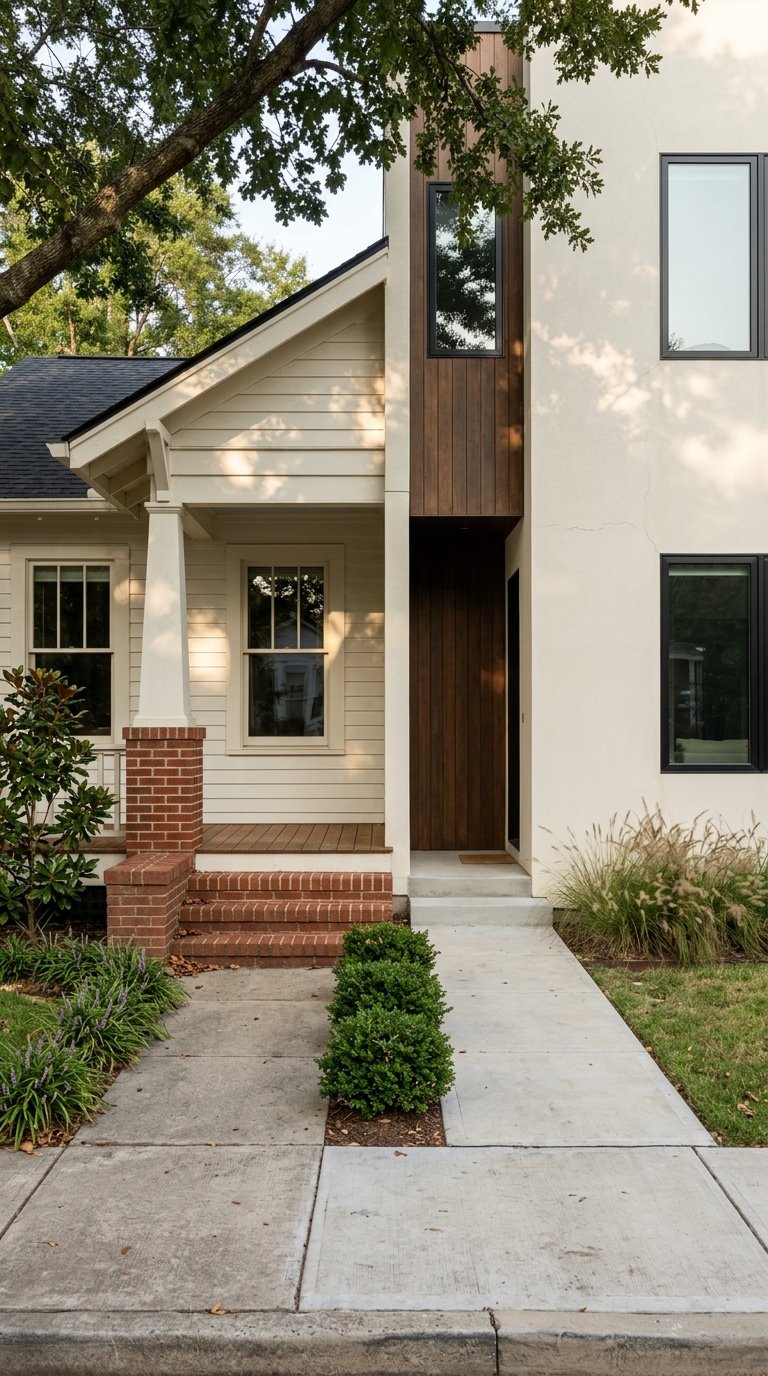
New construction in Montrose can look very different from the older housing stock around it. In some areas, redevelopment has introduced two- and three-story townhomes and other infill homes. In historic settings, Houston’s preservation guidance says new buildings do not need to copy older houses exactly, but they should be compatible in size, proportions, setbacks, and height.
For buyers, the biggest draw is usually livability. Newer homes often offer more contemporary layouts, newer systems, and less immediate repair work tied to historic materials or aging exteriors. If you want a more modern floor plan, newer construction may feel easier from day one.
The tradeoff is often scale. On a block with one-story homes, a taller new build can feel more visually prominent or heavier than the original housing fabric. In places like Audubon Place, where most homes are one or two stories and typically under 30 feet tall, three-story construction is generally not considered compatible.
Why buyers choose new construction
New construction often works well if you want:
- A more contemporary floor plan
- Less near-term maintenance
- Newer materials and construction methods
- A lock-and-leave lifestyle in some cases
- A home designed around current living patterns
If your priority is convenience and modern function, newer construction may be the more natural fit.
The Real Tradeoffs to Consider
The bungalow versus new construction decision is rarely just old versus new. In Montrose, it is more accurate to think about lifestyle, renovation comfort, and block context. The best choice depends on how you want to live and what type of ownership experience you want.
Character versus convenience
A bungalow usually offers more architectural character right away. You may get a front porch, period windows, and a layout that reflects an earlier era of home design. In exchange, you may also inherit more maintenance needs and a longer list of future projects.
New construction usually leans toward convenience. The layout may feel more aligned with how you live today, and you may spend less time on preservation-sensitive repairs early on. But if you value the feeling of an older streetscape, newer homes can sometimes feel less integrated depending on the block.
Street connection versus interior scale
Older Montrose homes often sit in a way that creates a stronger relationship to the sidewalk and street. That can be a major part of the neighborhood’s appeal. The house feels connected to its setting.
Newer infill may offer more vertical space or a different internal layout, but it can change the visual rhythm of the block. If that matters to you, spend time walking the street at different times of day before you decide.
Flexibility versus restrictions
If you buy a bungalow, especially in a historic district, your renovation plans may need closer review. Houston requires a Certificate of Appropriateness for exterior alterations, additions, and new structures in designated historic districts. That can affect timing, scope, and design decisions.
New construction can also involve review requirements if it is in a historic district. In some cases, projects may go through administrative review rather than the full commission, and COA-issued projects may qualify for a 50% building-permit fee discount and may be eligible for a city tax exemption. Even so, the process still matters, so it is smart to understand it before you commit.
Historic District Rules Matter
This is one of the most important parts of buying in Montrose. Because Houston has no zoning, historic-district status and deed restrictions can have a major impact on what you can change. Two homes on nearby streets may come with very different rules.
Before you make an offer, verify whether the property is located in a historic district or landmark area. Also check whether recorded deed restrictions apply. These details can shape everything from additions and exterior updates to parking changes and how a future project may be reviewed.
For bungalow buyers, this matters because maintenance and renovation are often part of the ownership experience. National Park Service guidance emphasizes that routine maintenance is the most cost-effective preservation approach, especially for roofs, windows, and moisture-prone exterior elements. In practical terms, careful upkeep is not optional with an older home. It is part of protecting its value and character.
Lot Size, Setbacks, and Parking
Montrose buyers sometimes focus on the house and forget the lot. In this neighborhood, lot pattern can be just as important. In Avondale, for example, cross streets were laid out with standard residential lots, while boulevard lots were larger and had deeper setbacks.
In Audubon Place, most homes sit about 20 feet back from the street, with detached garages or carports behind the house. That setup supports the historic streetscape, but it can also limit flexibility for major additions, garage modifications, or front-yard parking solutions. If you are comparing a bungalow to new construction, be sure to think beyond the interior.
Ask yourself:
- How important is a larger yard or deeper setback?
- Do you want attached or detached parking?
- Would you want to expand the home later?
- Are you comfortable with a lot that offers less design flexibility?
These questions can help you avoid buying the right house on the wrong lot.
How to Decide Which Home Fits You
If you are torn, start with your priorities rather than the architecture alone. A bungalow is often the better fit if you want front-porch character, a lower-scale home, and the chance to improve the property gradually over time. It can be a great match if you value originality and are comfortable with preservation-sensitive ownership.
New construction is often the better fit if you want a more current layout and fewer immediate maintenance demands. It may also suit you if you are comfortable with newer infill scale and understand the review environment that can come with building or buying in a historic context.
Montrose is especially block-specific. The neighborhood can shift from older one-story homes to taller infill within just a few streets. That is why local guidance and on-the-ground context matter so much when you compare options.
Smart Questions Before You Offer
Before moving forward on any Montrose property, ask questions that go beyond finishes and price:
- Is the property in a historic district or landmark area?
- Are there recorded deed restrictions?
- What exterior changes would require a Certificate of Appropriateness?
- How does the home’s height, setback, and placement relate to the rest of the block?
- For an older home, what maintenance items need attention now?
- For newer construction, how does the design fit the surrounding streetscape?
- What parking configuration comes with the property?
These answers can help you compare homes more clearly and reduce surprises after closing.
Choosing between a Montrose bungalow and new construction is really about choosing your version of Montrose living. One path offers history, texture, and the chance to steward a home with architectural personality. The other offers a more contemporary experience with a different kind of ease. If you want expert guidance on comparing block-by-block options in Montrose, connect with Nan & Co Properties for concierge-level support rooted in Houston neighborhood expertise.
FAQs
What is the main difference between a Montrose bungalow and new construction?
- A Montrose bungalow usually offers historic character, front-porch appeal, and renovation potential, while new construction usually offers a more contemporary layout, newer materials, and less immediate maintenance.
Do Montrose homes have zoning rules?
- Houston has no zoning, so what can be built or changed in Montrose often depends on ordinances, plats, deed restrictions, setbacks, parking rules, and whether the property is in a historic district.
Do historic district rules affect Montrose buyers?
- Yes. If a property is in a designated historic district, exterior alterations, additions, and new structures may require a Certificate of Appropriateness from the City of Houston.
Are three-story new homes common in every part of Montrose?
- No. Some Montrose areas have seen redevelopment with taller townhomes, but compatibility depends on the specific block and historic-district context. In Audubon Place, for example, three-story construction is generally not considered compatible.
What maintenance should buyers expect with a Montrose bungalow?
- Older homes often need consistent upkeep, especially for roofs, windows, and other exterior elements that are vulnerable to moisture and weather.
Why should Montrose buyers check deed restrictions?
- Recorded deed restrictions can affect what you can build or alter, so reviewing them before making an offer can help you understand future limitations and avoid surprises.
Do lot layout and parking matter in Montrose home searches?
- Yes. Setbacks, lot depth, and detached rear garages are part of the neighborhood pattern in some areas, and those features can limit or shape future additions, garage changes, and parking options.