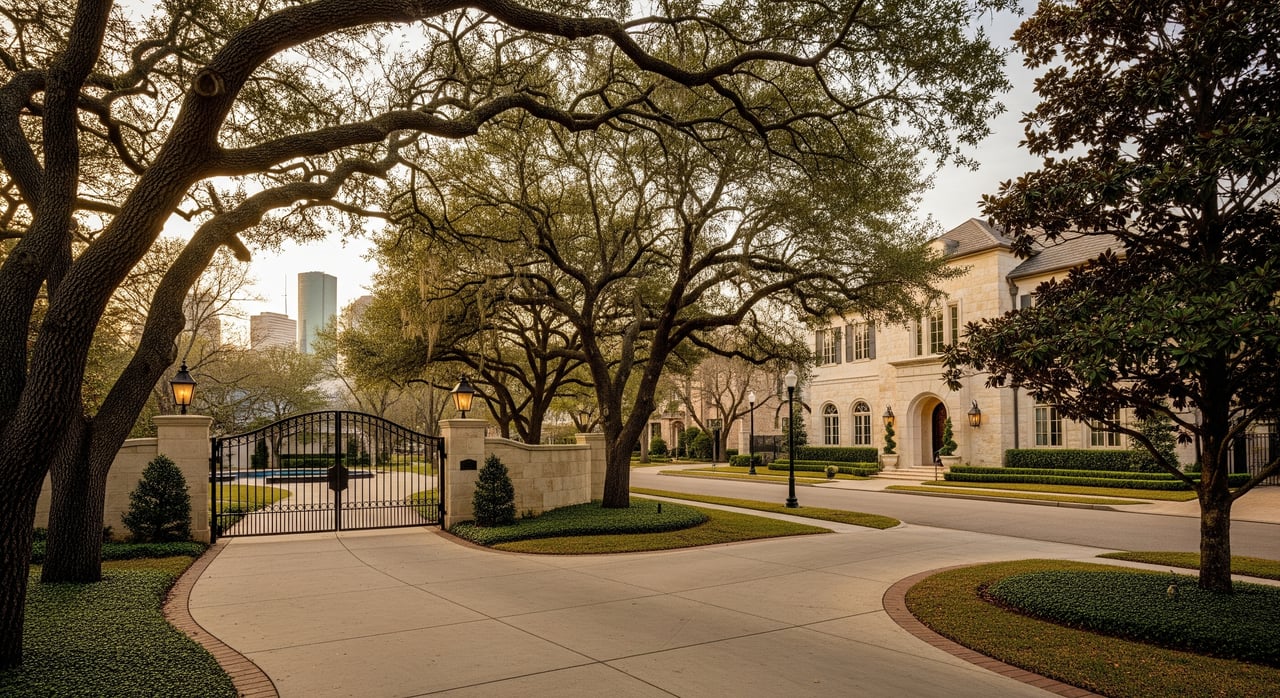
Flying in to Houston with only 72 hours to find your ideal neighborhood? You are not alone. With the right plan, you can compare vibe, housing types, and real commute times without wasting a minute. This guide gives you a clear route, what to observe at each stop, and how to make a confident decision by the time you head home. Let’s dive in.
How to use this plan
Pick a central hotel based on your focus. If you want to explore the Inner Loop, stay near Midtown, the Museum District, or Rice Village. If you want quick access to Uptown and the west side, consider a Galleria hotel.
Houston is car-oriented, so rent a car. Rideshares work well for dinner and evening check-ins. Plan at least 30 to 60 minutes of pure travel time when crossing from the Inner Loop to the west side.
Sample daily rhythm:
- 8:00–9:30: Coffee and a short walk on residential streets
- 9:30–12:00: Showings and neighborhood drive-through
- 12:00–1:30: Lunch and retail stop
- 1:30–4:30: Secondary neighborhood and a park or grocery run
- 4:30–7:00: Commute test and evening atmosphere check
Tip: Schedule at least one morning and one evening peak-hour drive on the route you expect to take to work. Use real travel time, not just app estimates.
Day 1: West University Place and River Oaks
Focus on compact Inner Loop areas known for tree cover, residential streets, and access to core job centers.
Morning: West University Place
What to evaluate:
- Street character: sidewalks, shade from mature trees, lighting
- Housing types: small-lot vs larger-lot single-family, typical garage and driveway setups
- Parks and daily errands: pocket parks, coffee, grocery options nearby
What to do:
- Walk a quiet residential block to observe setbacks and parking patterns
- Visit a small neighborhood park and note upkeep
- View local elementary campuses from the public sidewalk and assess proximity
Midday: River Oaks
What to evaluate:
- Streetscapes with luxury single-family homes and rebuilds
- Setbacks, gated properties, and access to green space or nearby retail
- Quick access to arterial roads for commute options
What to do:
- Drive a loop along signature streets to understand maintenance and scale
- Walk a nearby shopping and dining area to gauge activity and parking
Late afternoon (optional): Bellaire or Meyerland
If you want a southwest Inner Loop comparison, take a short detour.
What to evaluate:
- Lot size differences and mid-century vs newer infill homes
- Any signs of flood adaptations such as raised homes or drainage features
Time guide: Plan 60 to 90 minutes per neighborhood, including a short walk and a coffee stop. If possible, arrange one or two showings with a local REALTOR.
Day 2: The Heights and a nearby alternative
Compare historic character and bungalow stock with other close-in options.
Morning: The Heights (Houston Heights)
What to evaluate:
- Walkability: sidewalks, bike lanes, and storefront retail
- Housing mix: historic bungalows, renovated homes, and new infill
- Yard sizes and on-street parking patterns
What to do:
- Stroll a commercial corridor such as 19th or 20th Street
- Walk a tree-lined residential block to observe maintenance and setbacks
- Stop at a small park or trail and note activity at different times
Midday: Choose one nearby — Rice Military, Montrose, or Midtown
Pick based on your lifestyle and commute goals.
- Rice Military: newer infill and townhomes with quick access to major roads
- Montrose: eclectic mix with arts, dining, and older housing stock alongside new builds
- Midtown: proximity to downtown and a mix of apartments, condos, and townhomes
What to do:
- Have lunch at a representative spot and observe pedestrian activity
- Check parking availability and note evening noise levels
Late afternoon: Inner Loop connectivity check
Do a ring drive to see how these neighborhoods connect to downtown and the Texas Medical Center. Note travel times and potential bottlenecks.
Day 3: Uptown and the Energy Corridor
Use Day 3 to test job corridor access and understand higher-density options.
Morning: Uptown and the Galleria area
What to evaluate:
- Housing mix: high-rise condos, mid-rise apartments, and nearby townhomes
- Access to Uptown offices and I-610 or I-10
- Parking, garage access, and any shuttle or transit options you may use
What to do:
- Walk the Galleria corridor and tour representative buildings if available
- Check traffic patterns entering I-610 and I-10 during late morning
Lunch to early afternoon: Memorial and Spring Branch
If you plan to commute west or split time between Uptown and the Energy Corridor, sample neighborhoods along the Memorial and Spring Branch corridor to see housing types and route options.
Late afternoon and commute test: Energy Corridor
What to evaluate:
- Subdivisions and apartment communities west of I-610 along I-10
- Freeway access points, frontage roads, and HOV lanes if relevant
What to do:
- Simulate your commute at a true peak window: drive inbound toward Uptown or downtown in the evening rush and outbound in the morning (or the reverse if that matches your schedule)
- Note queue lengths, bottlenecks, and any reliable alternate routes
What to look for at every stop
Use this checklist to turn quick visits into useful data.
Street and public realm
- Sidewalk presence and condition, shade from street trees, lighting, bike lanes
- Street parking rules, curb cuts, and driveway styles
- Any evidence of drainage issues such as standing water or raised foundations
- Noise sources: major roads, flight paths, or trains
Housing and property
- Primary housing types: bungalow, ranch, new infill, townhome, condo
- Exterior condition, roof age signals, and any signs of deferred maintenance
- Yard size, fencing, and landscaping relative to your privacy needs
- Foundation type where visible: slab or pier-and-beam, elevation above grade
Neighborhood amenities
- Grocery options, coffee, restaurants, parks, libraries, and health care access
- Retail vitality: active storefronts vs vacancies
- Community features such as neighborhood associations and posted rules
Transportation and commute
- Real peak-hour drive times to your job center
- Transit options where available: METRO bus lines and limited light rail in central areas
- Bike and last-mile feasibility
Schools and childcare
- Note nearby campuses and distances, then verify assignments with the Texas Education Agency and local ISD boundary maps
- Identify daycare or childcare options and public playgrounds near candidate homes
Safety and community feel
- Visible security measures, lighting, and after-hours activity
- Community centers or posted neighborhood notices
Documentation
- Take photos of street frontage, intersections, and any concerns
- Record travel times and note cell coverage for remote work needs
Fast neighborhood context and common tradeoffs
Use these notes to focus your showings.
West University Place
- Typical stock: well-maintained single-family homes with mature trees and small parks
- Lifestyle notes: quiet residential streets with access to Rice Village and the Medical Center
- Tradeoffs: limited entry-level inventory and car trips for some errands
River Oaks
- Typical stock: high-value single-family estates and luxury rebuilds
- Lifestyle notes: residential setting near upscale retail and services
- Tradeoffs: premium pricing and fewer multi-family options
The Heights
- Typical stock: early 20th-century bungalows, renovated homes, and significant new infill
- Lifestyle notes: active commercial corridors with dining and shopping
- Tradeoffs: some older homes may need systems upgrades and sidewalks vary by block
Uptown and the Galleria area
- Typical stock: condos, mid-rise apartments, townhomes, and nearby single-family pockets
- Lifestyle notes: dense retail and close proximity to employment centers
- Tradeoffs: heavier traffic, limited private yard space, and condo fees
Energy Corridor
- Typical stock: master-planned subdivisions, apartments, and newer single-family communities along I-10
- Lifestyle notes: proximity to major corporate campuses and suburban-scale amenities
- Tradeoffs: longer drives to central Houston and dependence on I-10 traffic patterns
Logistics that save time
- Showings: Many homes require an appointment through a licensed local REALTOR. Open houses are more common on Sundays but less frequent in high-end areas.
- Parking: Expect street rules in inner neighborhoods and paid garages near the Galleria. Set up a parking app if you prefer not to carry cash.
- Weather: Houston is hot and humid for much of the year. Bring water and sun protection. Hurricane season runs June through November and can affect inspections and travel.
- Vehicle: A compact SUV helps with narrow streets and rainy conditions.
- Connectivity: Verify cell coverage and internet providers at any home you are considering if you work remotely.
- Time buffers: Do not stack appointments across town without 30 to 60 minutes of travel time.
Decision checks to run during or after the trip
Market context and speed:
- Pull current neighborhood metrics: median sale price trend, days on market, and inventory level
- Review comps on the same block or nearby for the property type that matches your budget
Financials to confirm:
- Property taxes: look up parcel records and valuations with the Harris County Appraisal District
- Insurance: ask your agent about homeowners and flood insurance considerations
- HOA: review fees and covenants for condos and townhomes
Risk and lifecycle:
- Flood risk: review FEMA Flood Map Service Center and Harris County Flood Control District resources, and ask for seller disclosures
- Foundations: Houston’s clay soils vary, so ask about prior foundation work and visible cracks
- Redevelopment: expect teardown and rebuild pressure on some inner lots. Review City of Houston permits and neighborhood notices
Quality-of-life checks:
- Commute: confirm morning and evening peak travel times with a real drive
- Schools: confirm assignments and visit school websites for current info
- Safety: compare Houston Police Department crime mapping with other sources and local context
Simple scorecard you can copy to your notes
After each stop, jot down:
- Neighborhood name, date, and time
- Immediate impression in 1 to 3 words
- Walkability and retail: Good, Fair, or Poor
- Noise level: Low, Moderate, or High
- Commute result: route and minutes at peak
- Flood or grading concern: Yes, No, or Check further
- Nearby schools: names to verify with TEA and ISD maps
- Housing stock and condition: age range and common types
- Amenities within 10 minutes: grocery, park, hospital
- Move forward: Yes, Maybe, or No, and why
What happens next
If you are narrowing to two or three neighborhoods, schedule a second pass at dusk or early morning to confirm noise, lighting, and traffic. Ask your agent to line up showings that match the housing types and tradeoffs you prefer. Before you make an offer, plan for professional inspections, a flood history review, and a title search.
When you are ready to tour, our team can map this plan to your budget and timeline, arrange showings, and guide your commute tests. Explore Houston with a partner that handles details and keeps you informed every step of the way. Discover the Nan Difference with Nan & Co Properties.
FAQs
How should I choose a hotel for a 3-day Houston neighborhood tour?
- Pick Midtown, the Museum District, or Rice Village if you want easy Inner Loop access, or the Galleria area if you plan to test Uptown and Energy Corridor commutes.
What times should I drive to test real Houston commute conditions?
- Drive once during the morning peak and once during the evening peak on your actual route, then compare times with your map app’s historical data.
What should I look for on residential streets in West U, River Oaks, or the Heights?
- Check sidewalks, shade, parking rules, setbacks, maintenance levels, and any signs of drainage or foundation concerns.
How do I check school information for a home I like in Houston?
- Verify campus assignments and performance with the Texas Education Agency and the local ISD boundary maps, then visit school websites for current details.
How can I understand flood risk before I make an offer?
- Review FEMA flood maps and Harris County Flood Control District resources, ask for seller disclosures, and consult your inspector and insurance provider.
What are common tradeoffs in Uptown and the Energy Corridor?
- Uptown offers condo and townhome options near retail with heavier traffic, while the Energy Corridor offers newer subdivisions with longer drives to central areas.