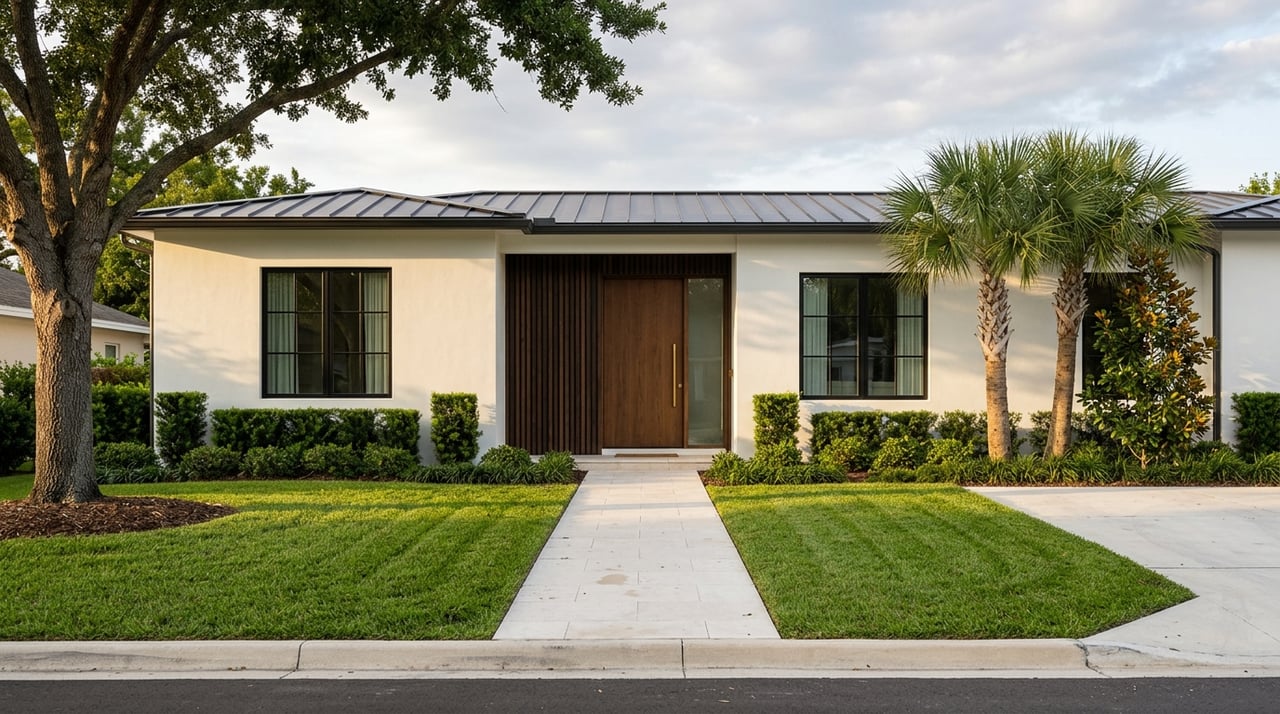
Moving for a new job can feel exciting and overwhelming at the same time. In Houston, that feeling is even more common because this is not a one-center city where every decision revolves around downtown. If you are planning a corporate move, understanding how Houston’s market works can help you narrow your options faster, avoid common surprises, and build a smart plan for renting or buying. Let’s dive in.
Why Houston works for corporate moves
Houston is built for career mobility. The 10-county Houston metro had 7,796,182 residents in the 2025 Houston Facts publication, with 5,009,302 in Harris County and 2,390,125 in the City of Houston itself. The same report notes that nearly 1.9 million residents were born outside the U.S., and the region is home to 26 Fortune 500 headquarters, giving many relocating professionals a strong business network from day one.
That scale matters because Houston supports several major employment centers instead of just one. According to the same Houston Facts report, health care and social assistance employ 435,220 people, professional and technical services employ 260,591, energy-related industries employ 220,038, and aerospace and aviation employ 44,600. For you, that means your housing search should start with where you will work most often, not just which part of Houston looks best online.
Houston is a commute-based market
One of the biggest relocation mistakes is treating Houston like a single downtown market. In reality, Houston is a large, multi-center metro where commute patterns can shape your daily routine as much as home price or square footage.
That is why your office location should be your first filter. After that, you can compare neighborhood factors like flood exposure, deed restrictions, parking patterns, and access to major roads or transit. This approach usually saves time and leads to a shortlist that fits both your work schedule and your lifestyle.
How Houston’s rules affect your home search
Houston stands apart from many large cities because it does not have zoning. The City of Houston Planning and Development Department explains that development is governed by ordinance codes that address subdivision, setbacks, parking, floodplain management, and deed restrictions.
For relocation buyers and renters, that means two streets near the same office can feel very different in practice. A home search here should go beyond price and commute time. You will want to look closely at lot rules, HOA or deed restrictions when applicable, flood-related considerations, and the way the surrounding area actually functions day to day.
The city’s planning tools can also help you compare areas more carefully. Those tools can layer neighborhood, transportation, public safety, and flood-hazard information, which can be especially useful if you are making decisions from out of state or from abroad.
What the current market means for buyers
Houston homes for sale give relocating buyers more room to think than it did during the peak frenzy years. As of March 2026, the Houston metro’s median home price was $338,500, average days on market were 41, active listings reached 34,200, and months of inventory sat at 3.4, according to this Houston housing market update from HAR.
The key takeaway is simple. Houston is no longer a panic-offer market, but it still rewards preparation. If you are preapproved, clear on your priorities, and ready to act when the right home appears, you can search with more confidence without assuming every listing will wait.
Pricing also varies a lot by area, which can help you create a smart first shortlist. HAR reported these early-2026 median prices by area:
- Inner Loop (Montrose/Heights/EaDo): $525,000
- The Woodlands/Spring: $410,000
- Katy/Cinco Ranch: $385,000
- Sugar Land/Missouri City: $365,000
- Cypress/Jersey Village: $355,000
- Tomball/Magnolia: $345,000
- Pearland/Friendswood: $340,000
- League City/Clear Lake: $330,000
- Humble/Kingwood: $310,000
- Richmond/Rosenberg: $285,000
HAR also noted that the Inner Loop and master-planned communities in Katy, The Woodlands, and Tomball were among the stronger appreciation areas. For a transferee, this range is useful because it shows how quickly your budget options can shift depending on commute and housing style.
What the current market means for renters
If you are not ready to buy right away, Houston’s rental market offers a practical bridge. In January 2026, the average lease price for a single-family home was $2,214, while townhome and condo rentals averaged $1,847, based on HAR rental market data.
Timing is also more flexible than many transferees expect. Single-family rentals averaged 50 days on market, and townhome and condo rentals averaged 59 days on market. That can support a short-term lease or corporate housing strategy while you get familiar with traffic patterns, office expectations, and the feel of different parts of Houston.
For many corporate moves, renting first can be the right call. It gives you time to test a commute, learn the market, and decide whether you want an urban condo, a townhome near a major business district, or a larger suburban property.
Where to shortlist by work location
Downtown, Midtown, and the Medical Center
If your job is based in central Houston, this group of areas often makes an efficient starting point. METRORail’s Red Line connects downtown, Midtown, the Museum District, Hermann Park, the Texas Medical Center, and NRG Park, making it one of the clearest live-near-work options in the city.
This can be especially relevant for people working in medicine, research, or hospital administration. The Texas Medical Center is described in the Houston Facts publication as the largest medical complex in the world, with 60+ member institutions and 300+ research laboratories. When your workday centers on the medical campus, nearby housing can offer real convenience.
Uptown, Galleria, and the West Loop
For corporate transferees in office-based roles, Uptown is one of Houston’s major employment anchors. Uptown Houston says the district has more than 28 million square feet of commercial office space, accounts for more than 16% of Houston’s Class A office space, and is home to about 2,000 companies.
This area can make sense if you want access to a major business district with strong connections to other parts of the city. It is also positioned within minutes of several other important employment centers, which can help if your role involves client meetings across Houston.
Energy Corridor and West Houston
If you are relocating for energy, engineering, or technical services, west Houston often belongs high on the list. The Energy Corridor District describes itself as a centrally located business hub with 71,000 jobs across 2,800+ employers.
For many professionals, that makes the west side a practical housing focus. Instead of starting broad and trying to learn all of Houston at once, you can begin with the district closest to your work and then compare nearby housing options by commute, price point, and daily convenience.
Build your relocation plan in the right order
A smooth Houston relocation usually comes down to the order of decisions. The best plan is often to start with logistics, then narrow to housing.
A simple framework looks like this:
- Confirm your primary work location and how often you will commute.
- Set your housing budget for either renting or buying.
- Choose your first search radius based on commute time, not just map distance.
- Review area-specific details like flood exposure, deed restrictions, parking, and neighborhood layout.
- Tour in person or virtually and compare how each option fits your daily routine.
This process is especially helpful in Houston because one area can look similar to another on paper while living very differently in practice.
Timing your move and financing
For buyers, financing often drives the calendar more than the home search itself. The Consumer Financial Protection Bureau says preapproval letters commonly expire after 30 to 60 days, and Freddie Mac notes that the homebuying timeline often takes 30 to 60 days from accepted offer to closing, with an average of 43 days to close a purchase loan.
That means it usually makes sense to get preapproved early, then refresh that preapproval when your start date becomes firm. This helps you stay ready without letting paperwork go stale while your relocation details are still changing.
For renters, the current market suggests a meaningful but not overly rushed search window. With rentals spending weeks on market in many cases, you can often begin your search before arrival, use virtual tours, and move quickly once the right fit appears.
How corporate benefits can help
Many employers offer relocation support, but those benefits work best when you treat them as tools rather than your only decision-making system. According to Sirva’s relocation services overview, common corporate relocation benefits can include pre-decision counseling, home-finding assistance, temporary accommodations, and some form of home-sale or home-purchase support.
Those resources can absolutely reduce stress. Still, your own priorities should lead the process. A relocation package may help cover logistics, but only a neighborhood-focused search will tell you whether a home fits your commute, budget, and preferences in Houston.
Why Houston is practical for global mobility
If your work involves regular travel, Houston’s airport access is another advantage. Houston Airports reported that George Bush Intercontinental Airport and William P. Hobby Airport together handled 63.1 million passengers in 2024.
For domestic transfers and internationally mobile employees, that level of connectivity can make repeat business trips, family travel, and global commuting more manageable. It is one more reason Houston continues to work well for corporate moves across industries.
Final thoughts on relocating to Houston
A successful move to Houston is rarely about finding the single “best” neighborhood. It is about finding the right fit for your office location, commute pattern, budget, and timeline in a market that offers real variety across the metro.
Whether you plan to lease first or buy right away, the smartest approach is to compare Houston through the lens of how you will actually live and work here. If you want tailored guidance on Houston neighborhoods, rentals, or purchase options for your move, Nan & Co Properties offers relocation support with the local insight and concierge-level service to help you land well.
FAQs
What makes Houston different for corporate relocation home searches?
- Houston is a multi-center metro with no zoning, so your search should focus first on office location, commute pattern, and property-specific factors like deed restrictions, parking, and flood-related considerations.
Is Houston a good market to buy a home after relocating for work?
- As of March 2026, Houston had a median home price of $338,500, 41 average days on market, and 3.4 months of inventory, which gives buyers more breathing room than peak frenzy years while still rewarding preparation.
Is renting first a smart option for a Houston corporate move?
- Yes. HAR rental data shows more time on market than in the tightest years, which can support a short-term lease or rental strategy while you learn commute patterns and compare areas.
Which Houston areas fit Texas Medical Center employees?
- Downtown, Midtown, the Museum District, and areas along the METRORail Red Line are common starting points because the line connects central Houston with the Texas Medical Center.
Which Houston areas fit Energy Corridor employees?
- West Houston and nearby communities are often a practical first shortlist because the Energy Corridor District is a major job center with 71,000 jobs across more than 2,800 employers.
When should you get preapproved before relocating to Houston?
- Buyers usually benefit from getting preapproved early, then refreshing the letter when the job start date is firm, since preapproval letters commonly expire after 30 to 60 days.