Choosing between a townhome and a single-family home in Houston can feel harder than it should be. You might love the idea of a low-maintenance layout close to the city, but still want more privacy, storage, or outdoor space. The good news is that Houston homes for sale give you real options, and understanding how these home styles work can help you make a smarter decision for your lifestyle and budget. Let’s dive in.
Why Houston offers both options
Houston stands apart from many major cities because it does not use traditional zoning. Instead, development is shaped by ordinance rules for subdivision, setbacks, parking, access, and building lines, along with private deed restrictions in some areas. According to the City of Houston development regulations, that flexibility helps explain why you can see detached homes, townhomes, and larger multifamily buildings in the same broader area.
The City’s Livable Places materials also support a wider range of neighborhood-scale housing. That includes home types between detached houses and mid-rise apartments, which is one reason townhomes continue to be a visible part of Houston’s housing mix. In practical terms, this gives you more choices, but it also means your best comparison is often neighborhood by neighborhood, or even block by block.
What counts as a townhome in Houston
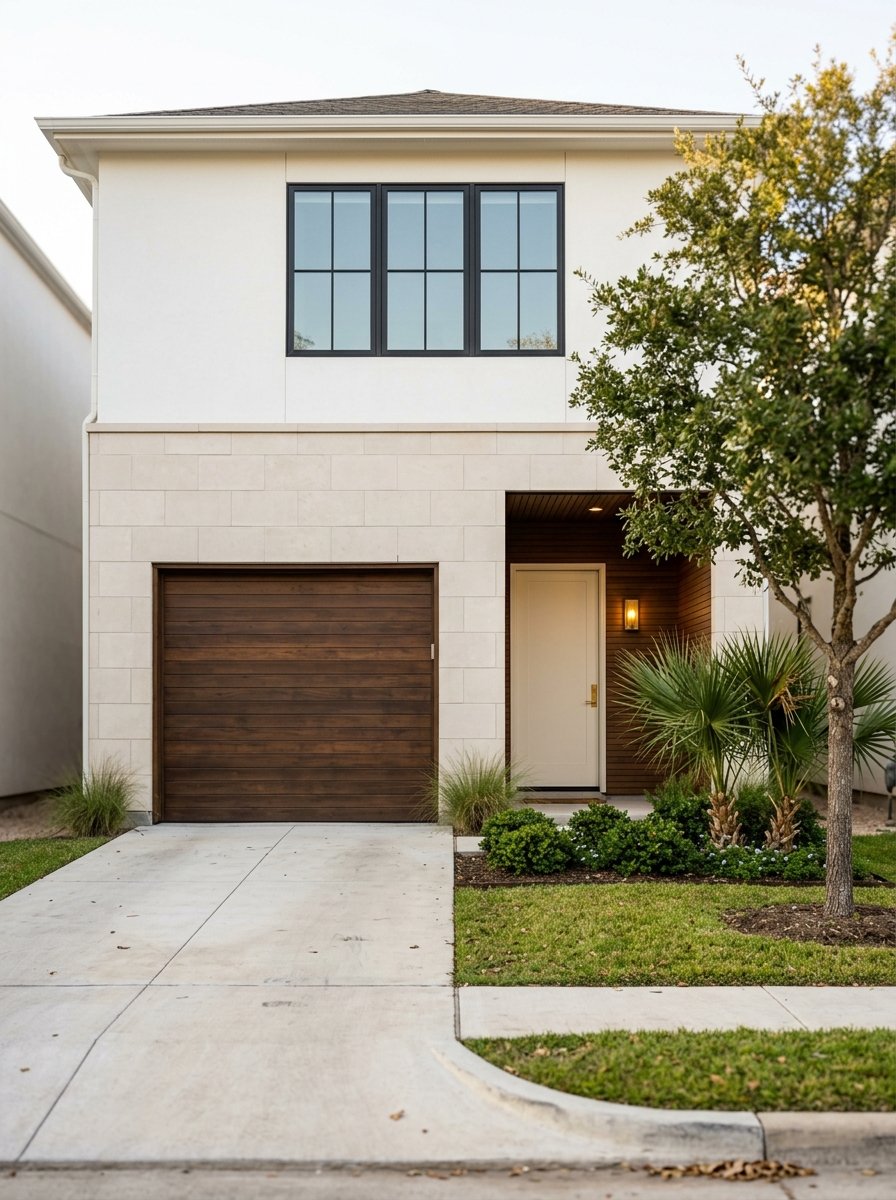
The City of Houston defines a townhouse as a multi-floor home that shares a party wall with an adjacent structure but has its own entrances. That setup often gives you the feel of a private home with a more compact footprint. If you are shopping in Houston, you will often find townhomes with vertical floor plans, attached garages, and smaller patios or yards.
Single-family residential can be broader than many buyers expect. The City’s Livable Places user guide notes that this category can include one building with not more than two units, certain detached secondary dwellings of limited size, and some party-wall homes on adjacent lots. That is one reason listing descriptions and neighborhood context matter when you compare one property to another.
How townhomes and single-family homes differ
At a high level, the choice usually comes down to land and privacy versus location and upkeep. A single-family home often gives you more outdoor space, more separation from neighbors, and more direct control over the property. A townhome often gives you a more efficient interior layout, less yard work, and easier access to denser parts of Houston.
Houston’s planning guidance also helps explain the design differences you see on the ground. The City’s Chapter 42 materials highlight smaller lots, shared access, and neighborhood-scale attached housing, which is why many townhomes feel more urban in form. Detached homes, by comparison, typically have larger footprints on their lots and fewer shared-wall considerations.
Townhome advantages
If you are considering a townhome, these are some of the most common benefits:
- Lower entry price compared with many single-family options
- Smaller yard or patio to maintain
- Efficient use of interior square footage
- Common in more central, urban-style areas
- Often designed with rear garages or shared access layouts
For many buyers, a townhome can be a practical way to stay closer to work, dining, or entertainment without stepping into a larger multifamily building.
Single-family advantages
A single-family home often appeals to buyers who want more room to spread out. You may have a larger lot, more storage, and fewer concerns about shared walls. You also typically have more flexibility in how you use your outdoor space, since detached homes usually come with a more private yard area.
These homes may be a better fit if you value separation and direct responsibility over shared systems or community rules. That said, more space often means more maintenance, which is an important part of the tradeoff.
Think beyond price alone
Price is important, but monthly ownership costs matter just as much. The Houston Association of Realtors reported in its January 2026 market update that the median price for single-family homes was $322,045, while the combined townhome and condo median was $185,000. Inventory was also different, with 4.7 months for single-family homes versus 7.6 months for the townhome and condo segment.
That gap may point to a lower price of entry and more selection in the attached market. Still, a lower purchase price does not automatically mean a lower total monthly cost. If a townhome has HOA or maintenance fees, you will want to factor those in alongside mortgage, taxes, insurance, and utility costs.
Maintenance can change your day-to-day life
One of the biggest lifestyle questions is how much upkeep you want to handle yourself. With a detached single-family home, you are generally more directly responsible for the roof, exterior, yard, driveway, and landscaping. That can be a plus if you want control, but it can also add time and expense.
Townhomes can reduce some exterior maintenance, especially when there is an HOA or maintenance structure involved. However, responsibilities vary by community, so it is important to review documents carefully. The Texas State Law Library’s property owners association guidance notes that Texas law requires disclosure of HOA or maintenance fees or assessments and notice of HOA obligations in many sales.
Before you buy, ask clear questions such as:
- What exterior items are maintained by the HOA?
- Are there regular or special assessments?
- Who handles landscaping and shared driveways?
- Are there rules about exterior changes or parking?
Parking matters more in Houston
In Houston, parking can strongly shape how a property feels on a daily basis. The City’s Residential Development Best Practices Study Report states that single-family residential lots require at least two off-street parking spaces per lot. Detached homes often meet that through a driveway and larger garage footprint.
Townhomes, especially on narrower lots, often use rear garages, alley access, side access, or shared driveways. This can preserve curb space and support a denser layout, but it may also affect guest parking or how you enter and exit the property each day. If parking convenience matters to you, make sure you evaluate it in person, not just on a floor plan.
Where each style shows up in Houston
Houston does not sort neatly into one home type per neighborhood. Instead, the housing mix can shift quickly from one area to the next. That is why a local, block-level search matters more than broad assumptions.
The City of Houston’s 2023 super-neighborhood housing data shows attached housing is more visible in parts of the inner core. Midtown had 1,102 attached units out of 8,911 total housing units, or 12.4%. Fourth Ward had 531 attached units out of 3,587 total, or 14.8%. Neartown-Montrose had 3,237 attached units out of 22,372 total, or 14.5%.
These areas are not made up of only townhomes. They are mixed environments where apartments, townhomes, and detached homes coexist. If you want an attached home in a more central setting, these patterns can help guide your search.
Outer areas tend to lean more heavily toward detached homes. In Greater Heights, attached units made up 5.0% of the housing stock, while detached homes accounted for 68.4%. Lake Houston had just 0.7% attached units, with 85.4% detached homes. Alief was more mixed, with attached units making up 10.4% of the stock, showing that some west-side corridors still offer a meaningful attached-housing presence.
How to decide which home style fits you
The right answer depends less on headlines and more on how you live. Start with your daily routine, your comfort with maintenance, and the areas of Houston where you want to spend your time. Then compare homes based on the tradeoffs that matter most to you.
A simple way to think about it is this:
- Choose a townhome if you want a smaller footprint, less private exterior upkeep, and a location that may be closer to central Houston activity.
- Choose a single-family home if you want more land, more separation, and greater control over your property.
You should also compare total ownership costs, parking layout, and neighborhood context before making a decision. In Houston, two homes a few streets apart can offer very different experiences.
Work with a Houston expert
Because Houston’s housing patterns are so flexible, choosing the right home style is rarely just about square footage. It is about matching your budget, routine, maintenance preferences, and target location with the right type of property. If you want a clear, neighborhood-specific strategy for your search, Nan & Co Properties can help you compare your options with local insight and concierge-level guidance.
FAQs
What is the difference between a Houston townhome and a Houston single-family home?
- A Houston townhome is typically a multi-floor home that shares a wall with an adjacent structure and has its own entrance, while a single-family home usually offers more separation, more lot space, and fewer shared-wall concerns.
Are Houston townhomes usually less expensive than Houston single-family homes?
- Based on HAR’s January 2026 report, the combined townhome and condo median price was lower than the single-family median, but you should also account for HOA or maintenance fees when comparing total monthly cost.
Do Houston townhomes have HOA fees?
- Some do, and some responsibilities vary by community, so you should review resale certificates, fee disclosures, and maintenance documents carefully before buying.
Where are townhomes more common in Houston?
- Attached housing is more common in denser inner-core areas such as Midtown, Fourth Ward, and Neartown-Montrose, though these neighborhoods also include apartments and detached homes.
Why is parking different for Houston townhomes and Houston single-family homes?
- Many Houston townhomes are built on narrower lots with rear garages or shared access, while detached single-family homes more often have a traditional driveway and larger garage footprint.