Explore
Montrose
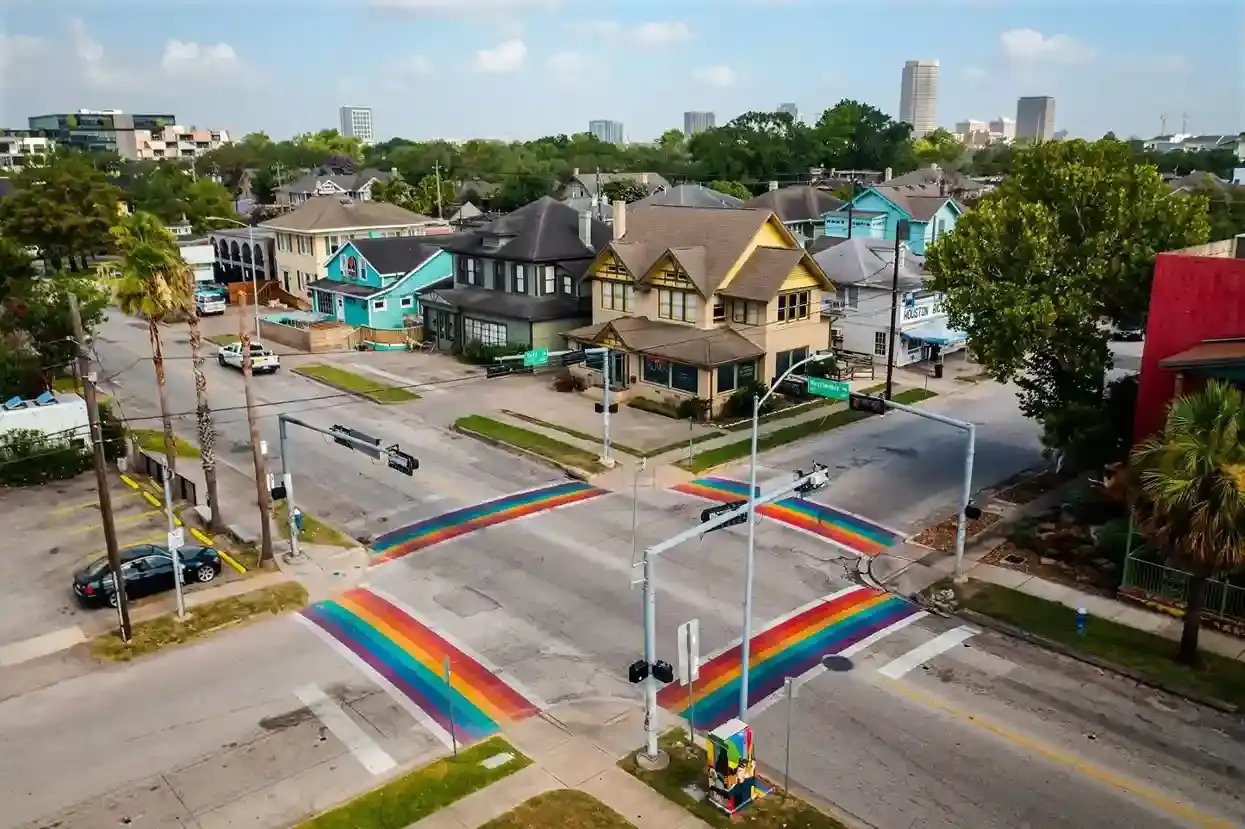
Montrose is a vibrant Inner Loop neighborhood known for art, culture, and a mix of historic homes and modern new construction.
Montrose is several housing markets inside one neighborhood. Bungalows and cottages from the early 20th century sit near newer townhomes, and Courtlandt Place, Avondale, and other subdivisions are designated historic districts with their own rules for exterior changes. Because deed restrictions follow subdivision lines, the street you choose can matter as much as the house. This guide covers the home types, how the parts of Montrose differ, and what is nearby, including the Menil Collection, Rothko Chapel, and Contemporary Arts Museum Houston.
Montrose is a collection of separate subdivisions, so history, house styles, and rules change from one part to the next.
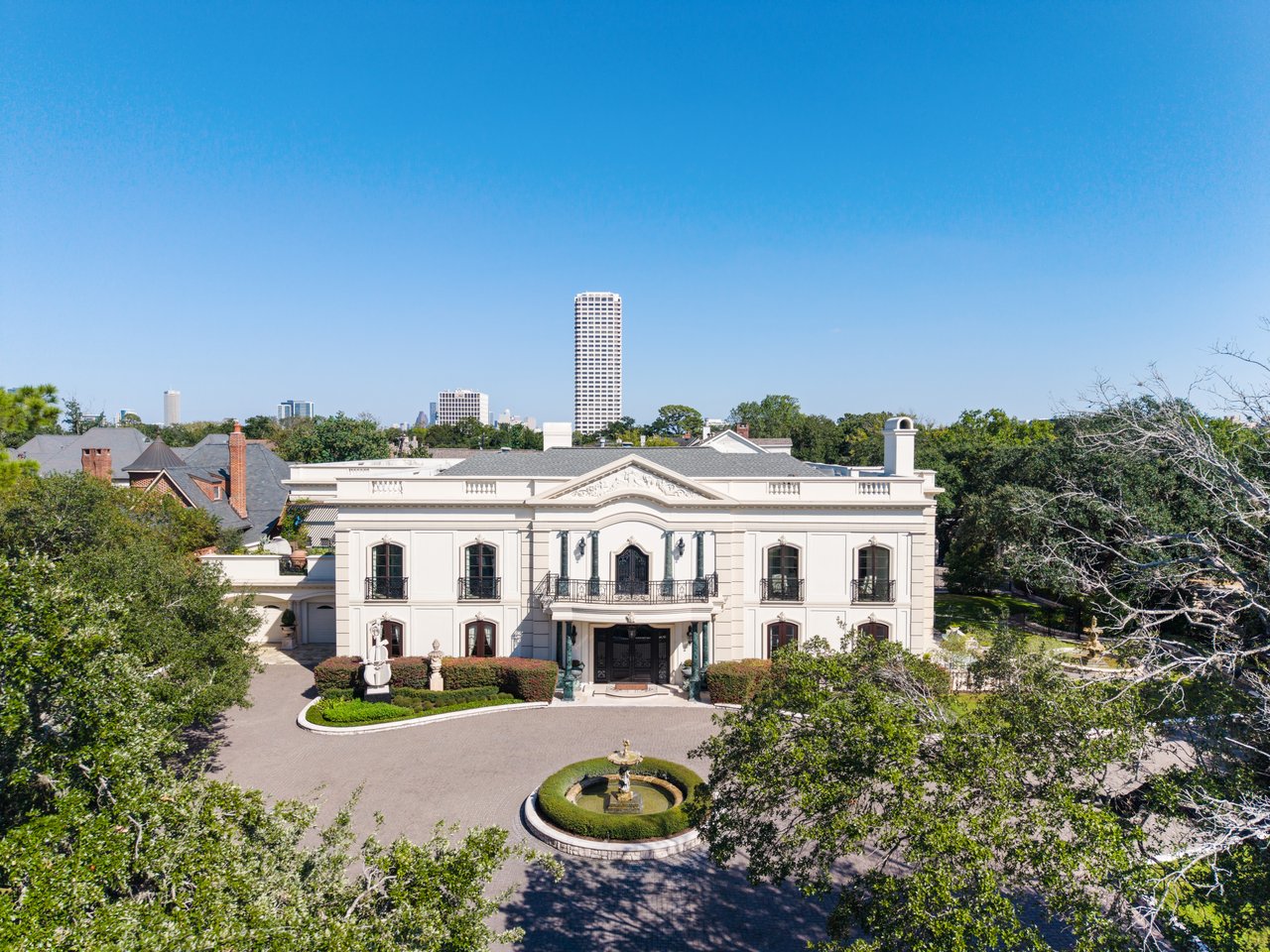
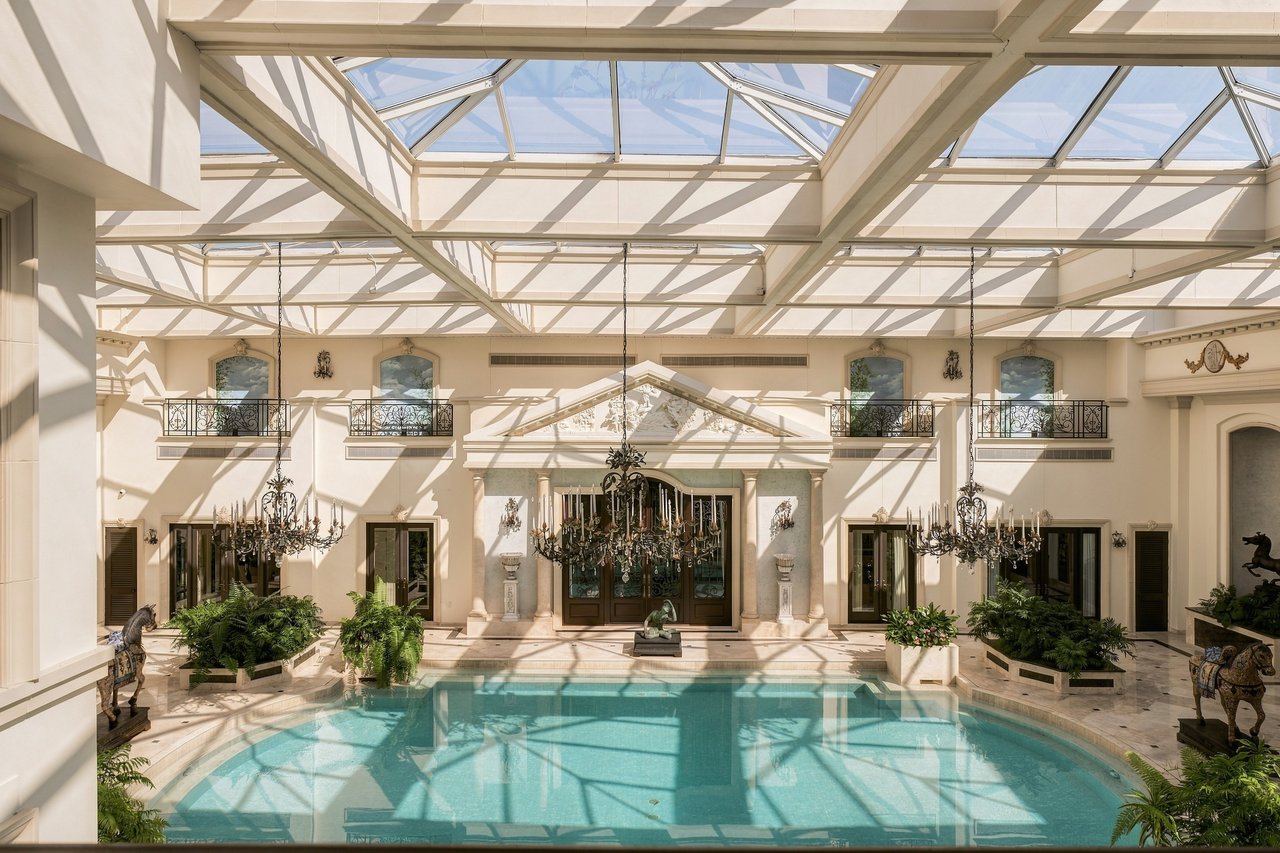
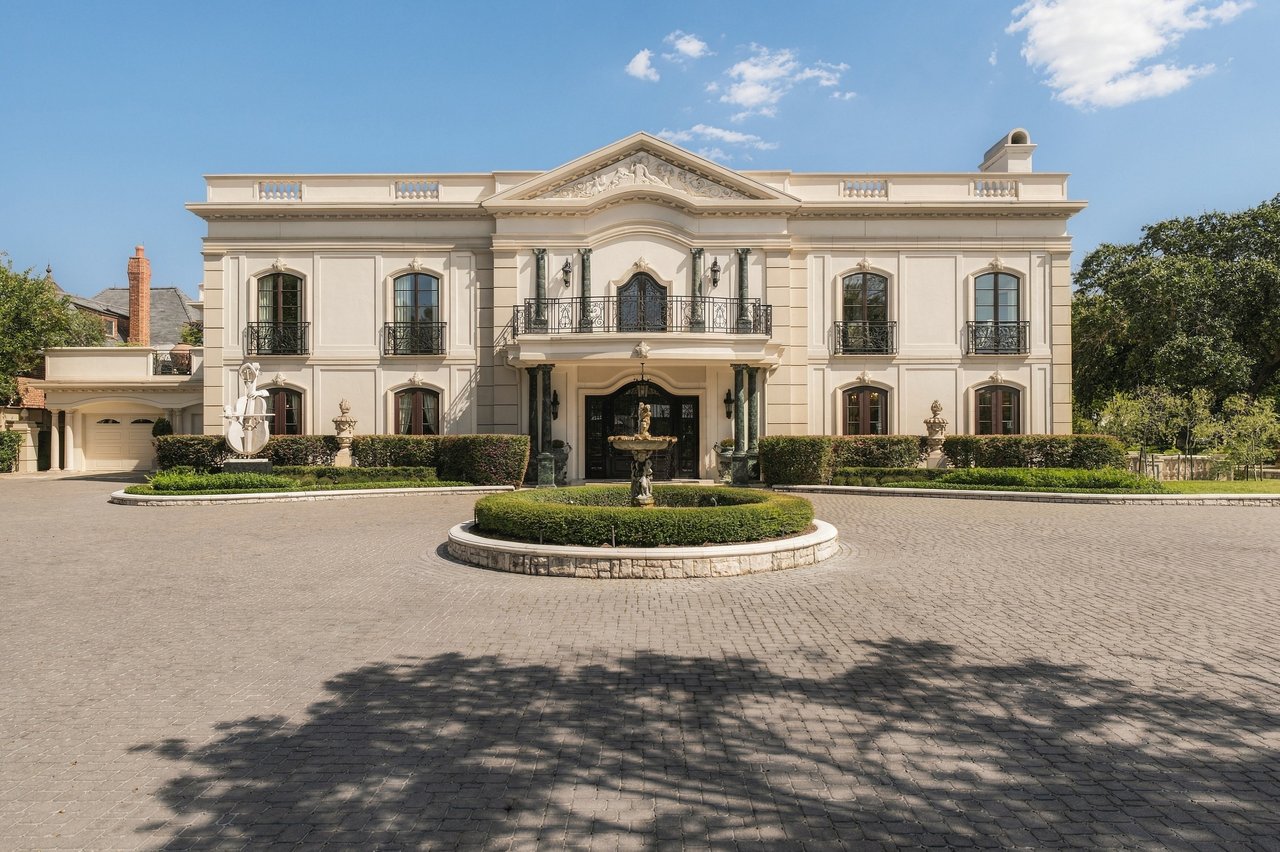
Established in 1906, Courtlandt Place has 18 historic houses built between 1910 and 1937 in Neoclassical, Italian Renaissance, Colonial Revival, and Tudor styles. It was listed on the National Register of Historic Places in 1980 and became Houston’s first historic district in June 1996.
Avondale is a subdivision in the Montrose area, designated as two historic districts: Avondale East in November 1999 and Avondale West in September 2007. Together with Courtlandt Place, it is where many of Houston’s historic mansions are found.
Designated a historic district in June 2010, First Montrose Commons grew from the Bute Addition, established in 1907. Its 1917 deed restrictions limited fences, required houses to sit well back from the street, and barred businesses. More than half of the Bute Addition was demolished in the early 1960s to make way for US 59 Spur 527, and after World War II many single-family homes were replaced by two-story apartment buildings. Today the area faces pressure from new two- and three-story townhouses.
Audubon Place is part of the original Montrose Addition and the last mostly residential section within its original boundaries. Residents reinstated its deed restrictions in 1995, and the City of Houston officially designated Audubon Place as a Historic District on April 8, 2009. Houses range across Craftsman, Prairie, Mission Revival, Colonial Revival, Queen Anne, Cape Cod, and Art Deco styles.
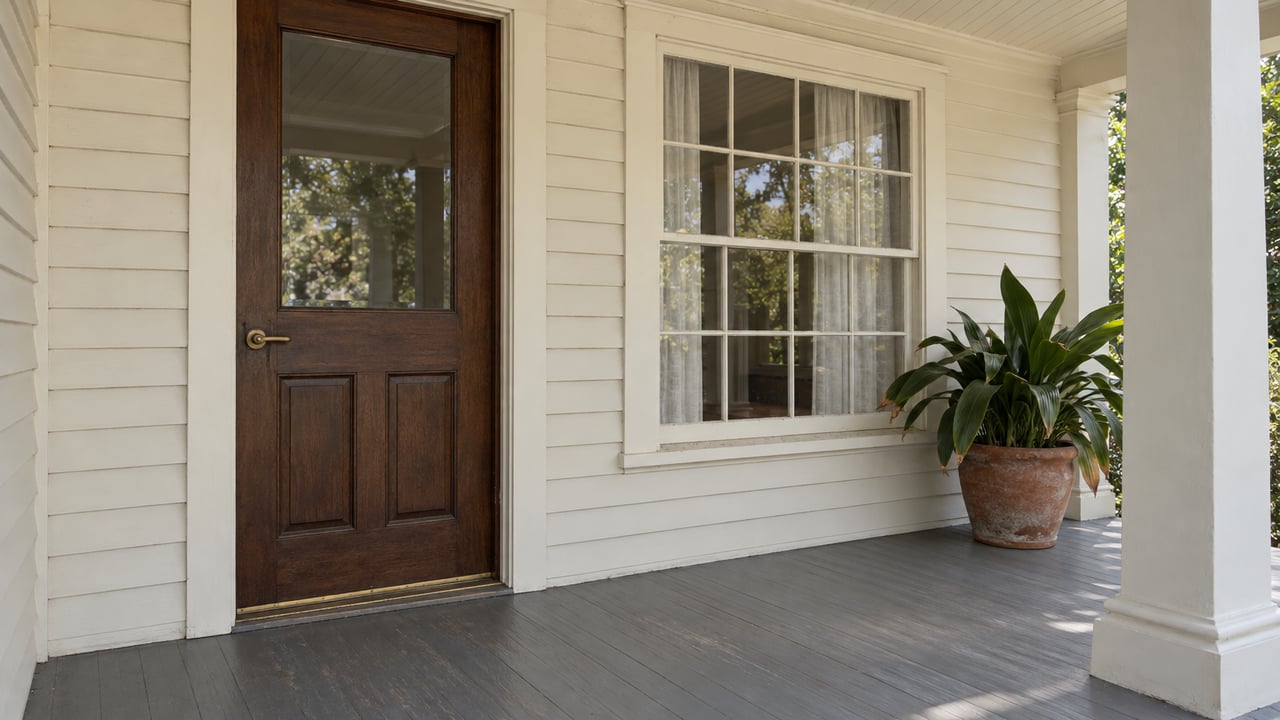
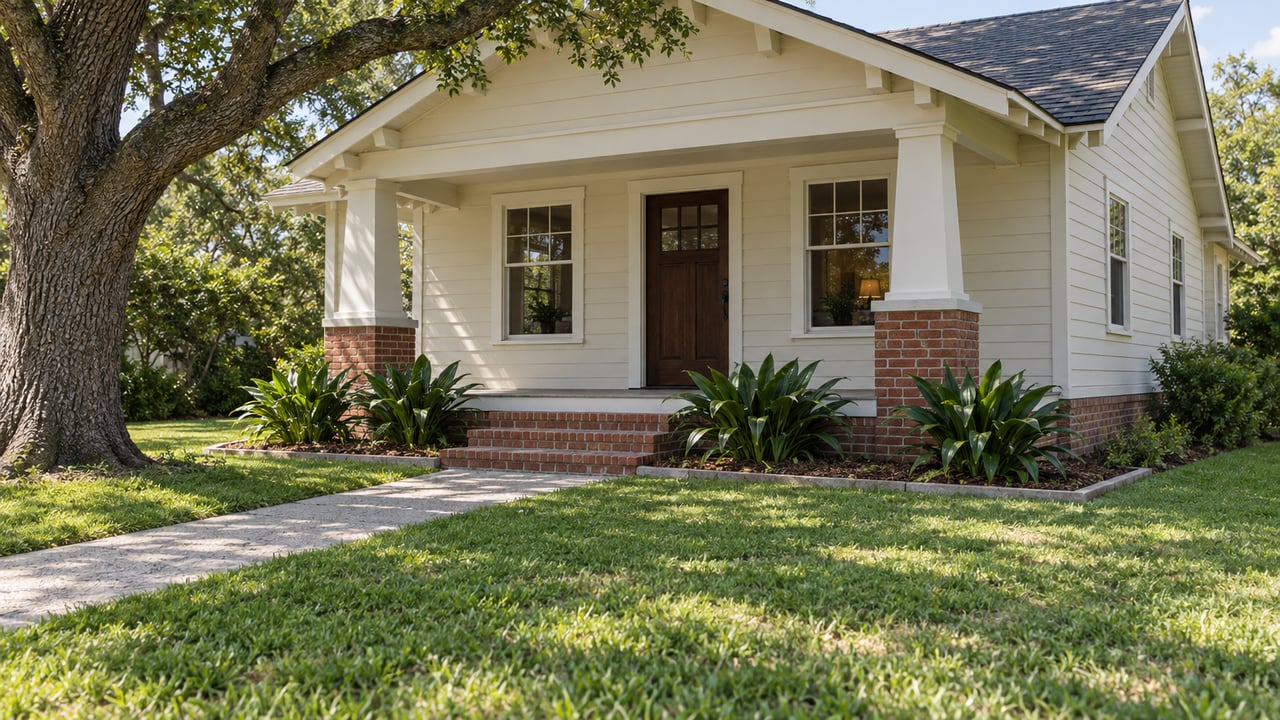
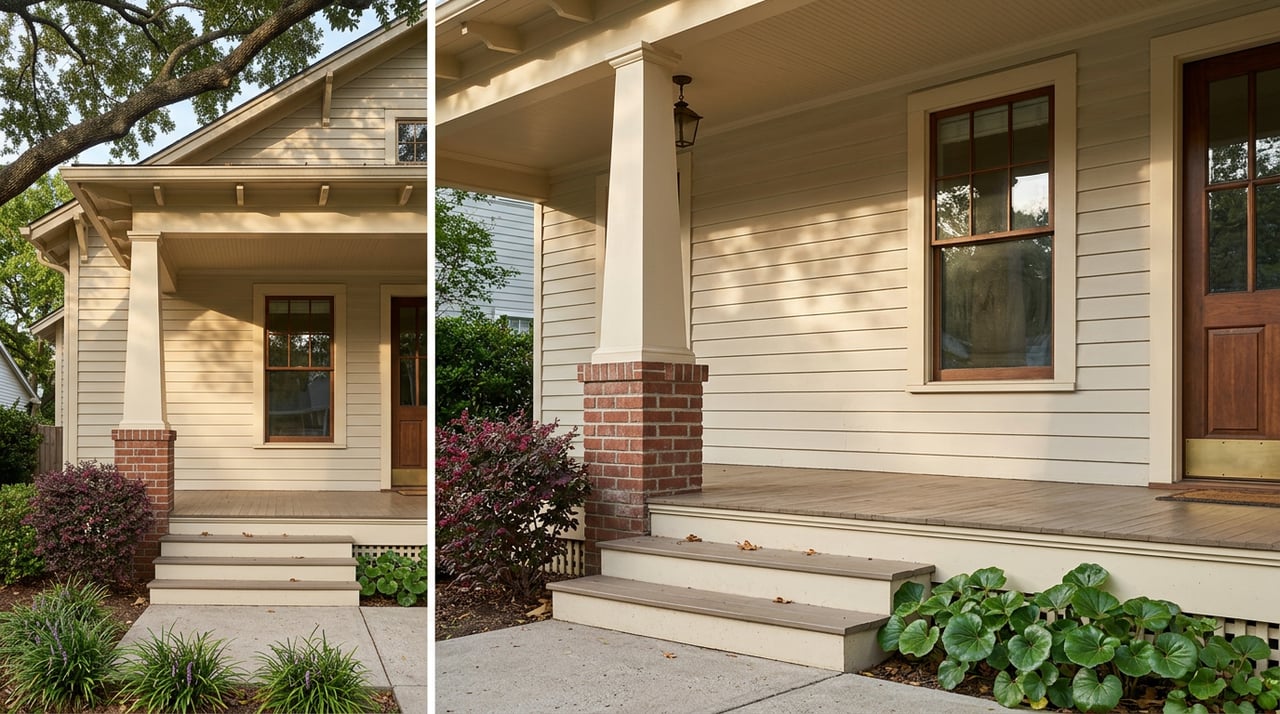
Lancaster Place, platted in 1923, is a subdivision whose dominant house type was the one-story bungalow with a front porch. It is not a historic district.
In Montrose’s historic districts, exterior changes need a Certificate of Appropriateness from the City, and some are approved administratively within a few days. Ordinary maintenance and repair that does not change the design, character, texture, or material of exterior features does not. For high-end listings across Houston, see Nan & Company’s luxury properties. If you are preparing a luxury home to sell, read Set the Stage: Maximizing Value in Luxury Home Sales. To research a specific property’s restrictions, see Houston Gated Communities: Understanding Deed Restrictions.
Montrose’s housing has layered up over a century. Bungalows went up in Lancaster Place between 1923 and 1925, and two-story four-square houses followed in the 1920s and 30s, including duplexes and fourplexes that look like single-family homes from the street. In the 1950s many garages were converted into garage apartments, and by the 1960s small garden apartment buildings of 8 to 14 units had arrived in the Menil neighborhood and greater Montrose.
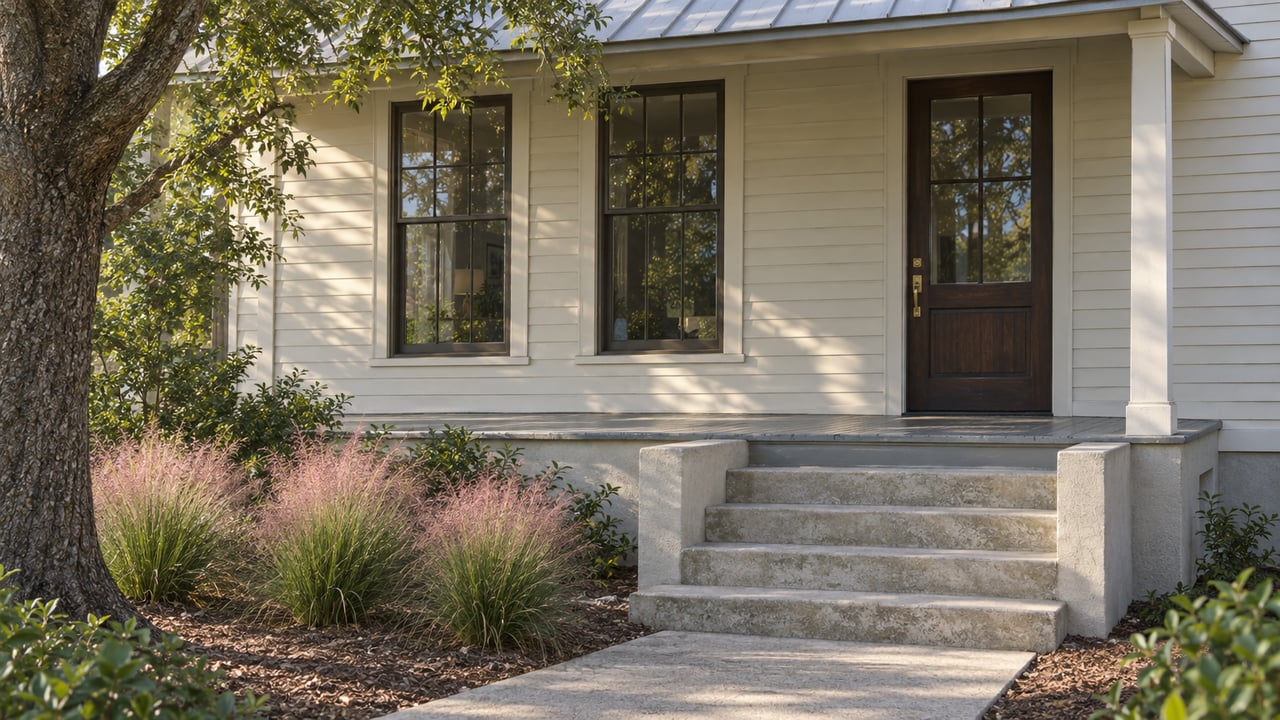
Today cottages sit side by side with townhome developments, luxury apartment complexes, and older duplexes across Neartown-Montrose. In First Montrose Commons, new two- and three-story townhouses have put redevelopment pressure on the older houses.
What can happen to a cottage depends on where it sits. In a historic district, a contributing structure cannot be demolished unless an unreasonable economic hardship or an unusual and compelling circumstance is shown, while a non-contributing structure can be demolished without a Certificate of Appropriateness. Houston has no zoning, so outside the districts, check the property’s deed restrictions and whether the block has a Special Minimum Lot Size or Special Minimum Building Line. Those Chapter 42 tools stop lots from being divided below a set size and keep new buildings from sitting closer to the street than most of the existing ones.
Bungalow, townhome, or a home in a historic district: send us the streets, budget, and timing. We will match listings to the block and confirm what applies to the property before you tour.
The main building at 1533 Sul Ross Street opened in 1987. Admission is always free, and it is open Wednesday through Sunday, 11 a.m. to 7 p.m. The 30-acre campus includes the Cy Twombly Gallery at 1501 Branard Street and the Dan Flavin installation at 1500 Richmond Avenue.
At 3900 Yupon at Sul Ross, the chapel opened in February 1971. It is open Wednesday through Sunday, 10 a.m. to 6 p.m., and the grounds are free and open daily from dawn until dusk.
At 5216 Montrose Boulevard, admission is always free. It is open Wednesday through Sunday from 11 a.m. to 6 p.m., with extended hours until 9 p.m. on Thursdays. CAMH does not collect art.
Founded in 1948 at 1953 Montrose Boulevard, Art League Houston offers free gallery admission all year.
For new restaurant openings in the Harlow District and along Fairview and Westheimer, read Montrose’s Restaurant Map Finally Caught Up to the Construction Fencing and Montrose Finally Caught Up to Its Own Restaurant News. For events and corner-by-corner changes, including the Montrose Collective at 888 Westheimer Road, see What’s New in Montrose This Summer: The Corners You Knew, Under New Ownership.
Hours and admission can change. Confirm on each institution’s website before you visit.
Montrose is generally bounded by Allen Parkway to the north, Highway 59 to the south, Bagby Street to the east, and Shepherd Drive to the west.
It was platted in 1911 by the Houston Land Corporation and developer J.W. Link, and it was the first large-scale, restricted planned subdivision.
Mostly in Courtlandt Place and Avondale, where many of Houston’s historic mansions are found. Courtlandt Place has 18 historic houses, and Avondale’s two historic districts were designated in 1999 and 2007.
Many Montrose subdivisions do. The Montrose Addition was platted in 1911 as a restricted subdivision, the Bute Addition had restrictions from 1917, and Audubon Place residents reinstated theirs in 1995. Houston has no zoning, so request a property’s restrictions from the Harris County Clerk’s Office, with the legal description, lot and block, and subdivision name.
For exterior changes, yes. Courtlandt Place, Avondale, First Montrose Commons, and Audubon Place are historic districts, and changes there require a Certificate of Appropriateness. Some are approved within a few days.
Yes. Townhome developments sit alongside older cottages across the neighborhood, and First Montrose Commons faces pressure from new two- and three-story townhouses.
The Menil Collection and Contemporary Arts Museum Houston are always free. Rothko Chapel’s grounds are free daily from dawn until dusk.
Deed restrictions and historic district status affect what a buyer can change, so we cover them when we list. Nancy Almodovar and the Nan & Company team can discuss your property, timing, and priorities. To prepare, read Preparing Your Houston Home For A Standout Sale.
34,603 people live in Montrose, where the median age is 38 and the average individual income is $97,473. Data provided by the U.S. Census Bureau.
Total Population
Median Age
Population Density
Average individual Income
There's plenty to do around Montrose, including shopping, dining, nightlife, parks, and more. Data provided by Walk Score and Yelp.
Explore popular things to do in the area, including Segway with Lion and Hog, D Cookson Fitness, and Rhythm & Soul Fitness.
| Name | Category | Distance | Reviews |
Ratings by
Yelp
|
|---|---|---|---|---|
| Active | 0.51 miles | 0 reviews | 0/5 stars | |
| Active | 0.67 miles | 0 reviews | 0/5 stars | |
| Active | 0.71 miles | 0 reviews | 0/5 stars | |
| Beauty | 0.28 miles | 1 review | 5/5 stars | |
| Beauty | 0.34 miles | 0 reviews | 0/5 stars | |
| Beauty | 0.42 miles | 4 reviews | 5/5 stars | |
| Beauty | 0.51 miles | 0 reviews | 0/5 stars | |
| Beauty | 0.51 miles | 0 reviews | 0/5 stars | |
| Beauty | 0.55 miles | 0 reviews | 0/5 stars | |
| Beauty | 0.58 miles | 0 reviews | 0/5 stars | |
| Beauty | 0.59 miles | 0 reviews | 0/5 stars | |
| Beauty | 0.91 miles | 0 reviews | 0/5 stars | |
| Beauty | 0.92 miles | 0 reviews | 0/5 stars | |
| Beauty | 0.92 miles | 0 reviews | 0/5 stars | |
| Beauty | 0.93 miles | 0 reviews | 0/5 stars | |
| Beauty | 0.96 miles | 0 reviews | 0/5 stars | |
| Beauty | 0.98 miles | 2 reviews | 5/5 stars | |
|
|
||||
|
|
||||
|
|
||||
|
|
||||
|
|
||||
|
|
Montrose has 19,977 households, with an average household size of 2. Data provided by the U.S. Census Bureau. Here’s what the people living in Montrose do for work — and how long it takes them to get there. Data provided by the U.S. Census Bureau. 34,603 people call Montrose home. The population density is 11,504 and the largest age group is Data provided by the U.S. Census Bureau.
Total Population
Population Density Population Density This is the number of people per square mile in a neighborhood.
Median Age
Men vs Women
Population by Age Group
0-9 Years
10-17 Years
18-24 Years
25-64 Years
65-74 Years
75+ Years
Education Level
Total Households
Average Household Size
Average individual Income
Households with Children
With Children:
Without Children:
Blue vs White Collar Workers
Blue Collar:
White Collar: